Data and technology

Commonwealth Club The Global Fishing Watch Research Program

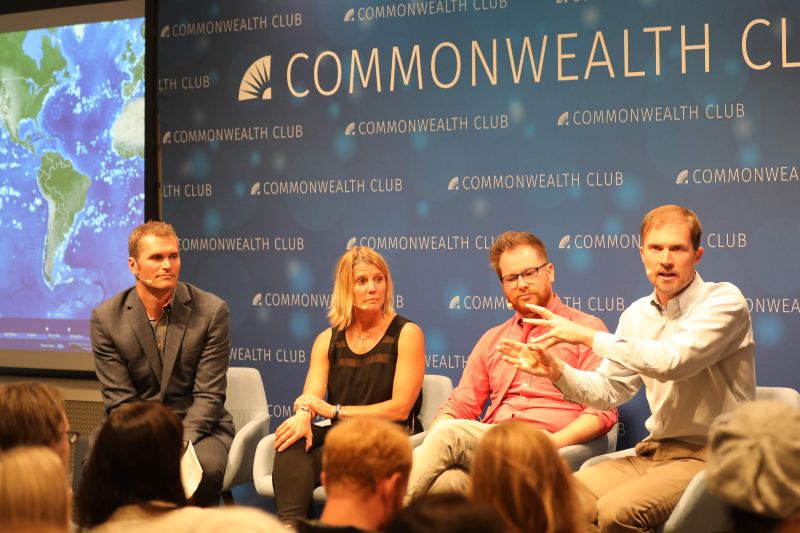
Breakthroughs in Science: The Global Fishing Watch Research Program

Why is Global Fishing Watch (GFW), a non-profit organization, investing so much effort into collaborating with scientists to publish research papers? And why has the program been so successful in doing so? In this blog, GFW Research and Innovation Director, David Kroodsma outlines why we are pursuing this work, why he believes it has been […]

Breakthroughs in Science: The Global Fishing Watch Research Program Read More »
From Vessels to Fleets – A Data Science Journey with HDBSCAN

When we look at the Global Fishing Watch map, we often see fishing activity that appears to move together. That is, we see groups of vessels consistently fishing in proximity to each other even as the group as a whole moves about the ocean. In other words, we see fleets.  Some members of our team,

From Vessels to Fleets – A Data Science Journey with HDBSCAN Read More »

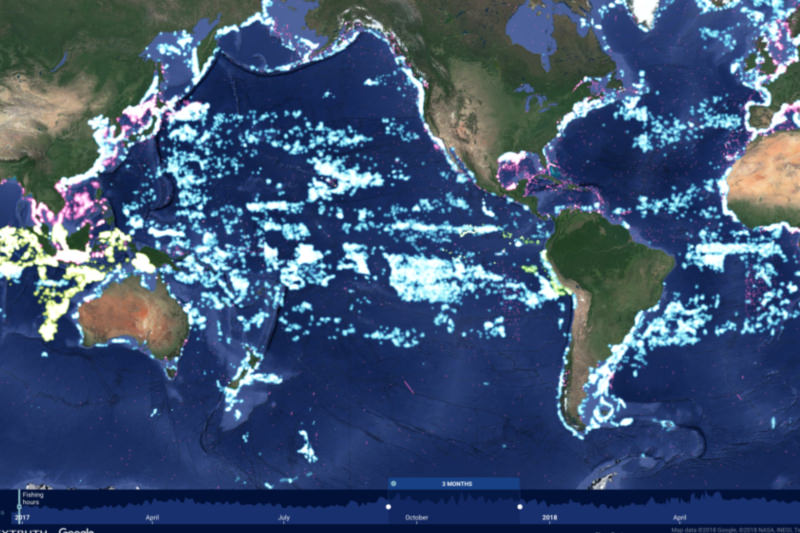
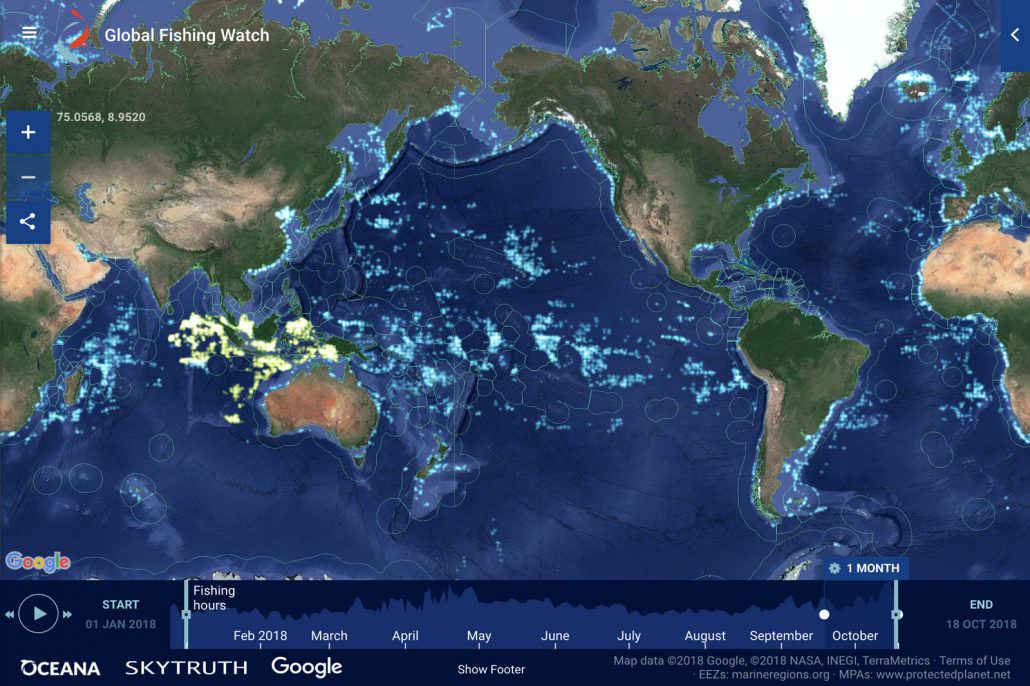
Screengrab global map

Match-making at sea: how to find fishing fleets

Staring at the Global Fishing Watch map, your eye is inevitably drawn to patterns of vessels that move together. These fishing patterns are most evident in the world’s longline fleets, which you can sometimes see moving north and south, as temperatures change, following migrations of fish. These fishing vessels are moving in “fleets” with similar

Match-making at sea: how to find fishing fleets Read More »

Ton Bali

Global Fishing Watch 2018 – the year in transparency

After just over a year at the helm, Global Fishing Watch CEO, Tony Long, reflects on how a freely accessible and near real-time digital map of the global ocean is exposing illegal fishing and changing the rules of the game, and calls on all governments to contribute data and join the movement for universal transparency.

Global Fishing Watch 2018 – the year in transparency Read More »

oceana team

How Oceana used Global Fishing Watch data to promote transparency at sea during 2018

With increased transparency, we can see beyond the horizon and address the threats facing our oceans. Global Fishing Watch’s (GFW) mapping platform increases the transparency of commercial fishing activities worldwide, empowering Oceana and others to expose problems that were once out of sight, far from our coasts. Oceana analysts, part of Oceana’s Illegal Fishing and

How Oceana used Global Fishing Watch data to promote transparency at sea during 2018 Read More »

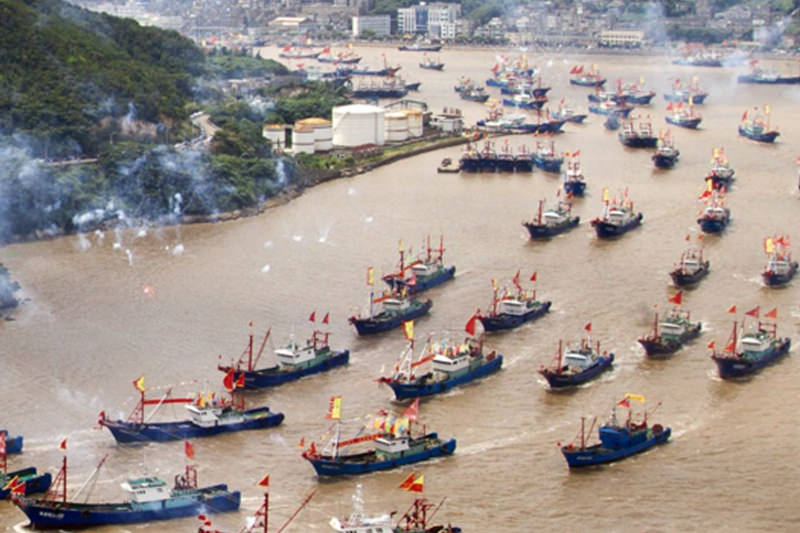
Fishermen set out for sea after summer fishing suspension ends, Ningbo, Zhejiang Province, China - 16 Sep 2014.

A who’s who for the oceans: building a global database of fishing vessels

Our groundbreaking online map tracks the movements of commercial fishing vessels all over the world. As part of our ambition to reveal and analyse the fishing activity responsible for the majority of the world’s marine catch, we’re constantly working to improve the quality of the data behind the dots. Here, Data Scientist Jaeyoon Park takes

A who’s who for the oceans: building a global database of fishing vessels Read More »

mapbox global

New map features – from improved custom layer uploads to updated MPA layers

Today, we are releasing an updated version of the Global Fishing Watch map that is easier to use and includes several new features. It also increases your ability to customize the map view. This update comes in response to some great feedback we’ve been getting from our community. You can now: Import custom polygon layers

New map features – from improved custom layer uploads to updated MPA layers Read More »

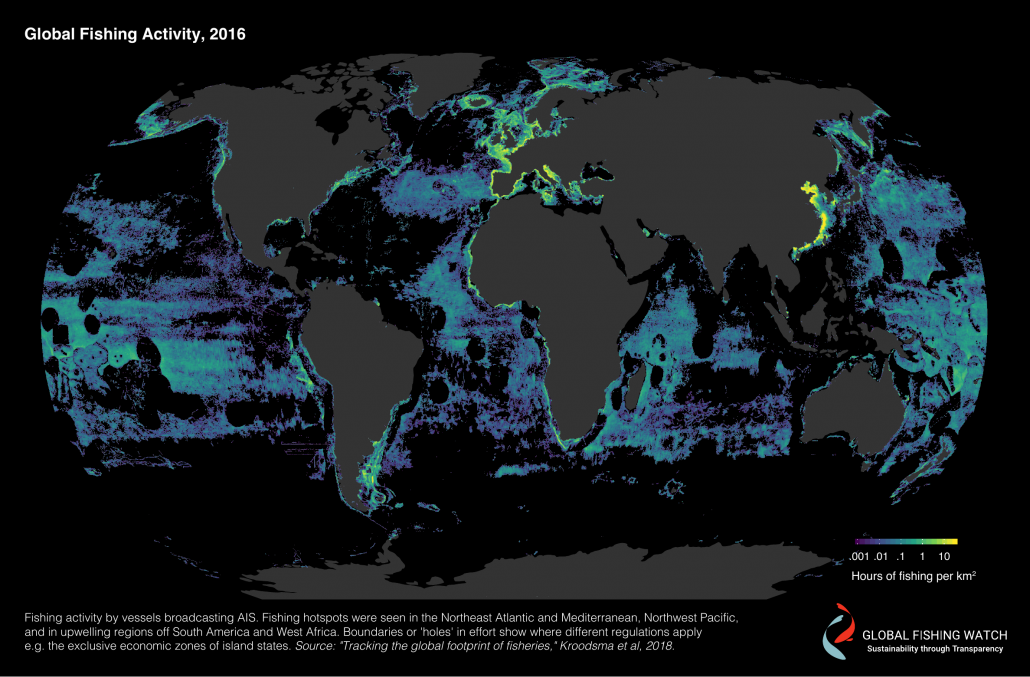
Global Fishing Activity

Half the Ocean? A Response to the University of Washington’s Blog

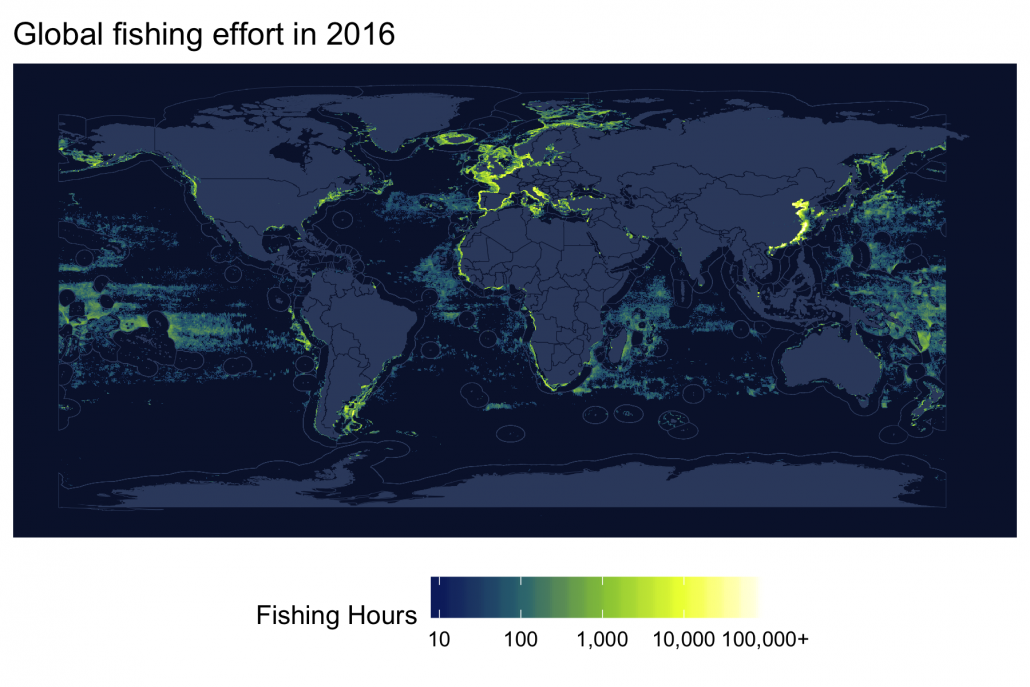
On the pages of Science Magazine (comment and response), Twitter, the University of Washington’s Sustainable Fisheries blog, and The Atlantic, my co-authors and I have engaged in a healthy debate with University of Washington researchers about how to measure the global footprint of fisheries. This exchange has helped raise awareness of different ways to measure, understand, and

Half the Ocean? A Response to the University of Washington’s Blog Read More »

Fishing Effort within the North Pacific Fisheries Commission

Earlier this month, Global Fishing Watch attended a meeting of  the North Pacific Fisheries Commission (NPFC), a relatively new Regional Fisheries Management Organization (RFMO) charged with managing the high seas in the northern Pacific. The NFPC has set an ambitious objective of ensuring ‘the long-term conservation and sustainable use of the fisheries resources in the

Fishing Effort within the North Pacific Fisheries Commission Read More »

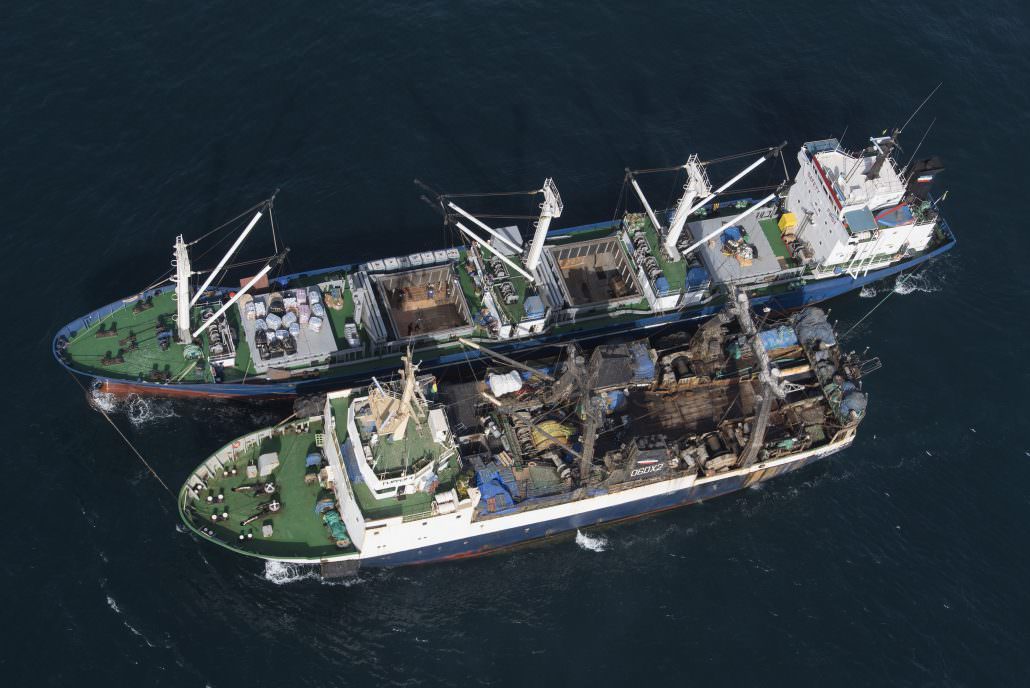
Illegal transhipment of fish between Saly Reefer and Flipper 4 fishing vessel. Greenpeace is on tour in West African waters to address the problem of overfishing in the region. (photo courtesy of Greenpeace)

Machine learning and satellite data provide the first global view of transshipment activity

This week marks the publication of the first-ever global assessment of transshipment in a scientific journal. Researchers at Global Fishing Watch and SkyTruth, in the journal Frontiers of Marine Science, published “Identifying Global Patterns of Transshipment Behavior.” What is transshipment? Why does it matter? What have we learned and what remains unknown? Read on to

Machine learning and satellite data provide the first global view of transshipment activity Read More »

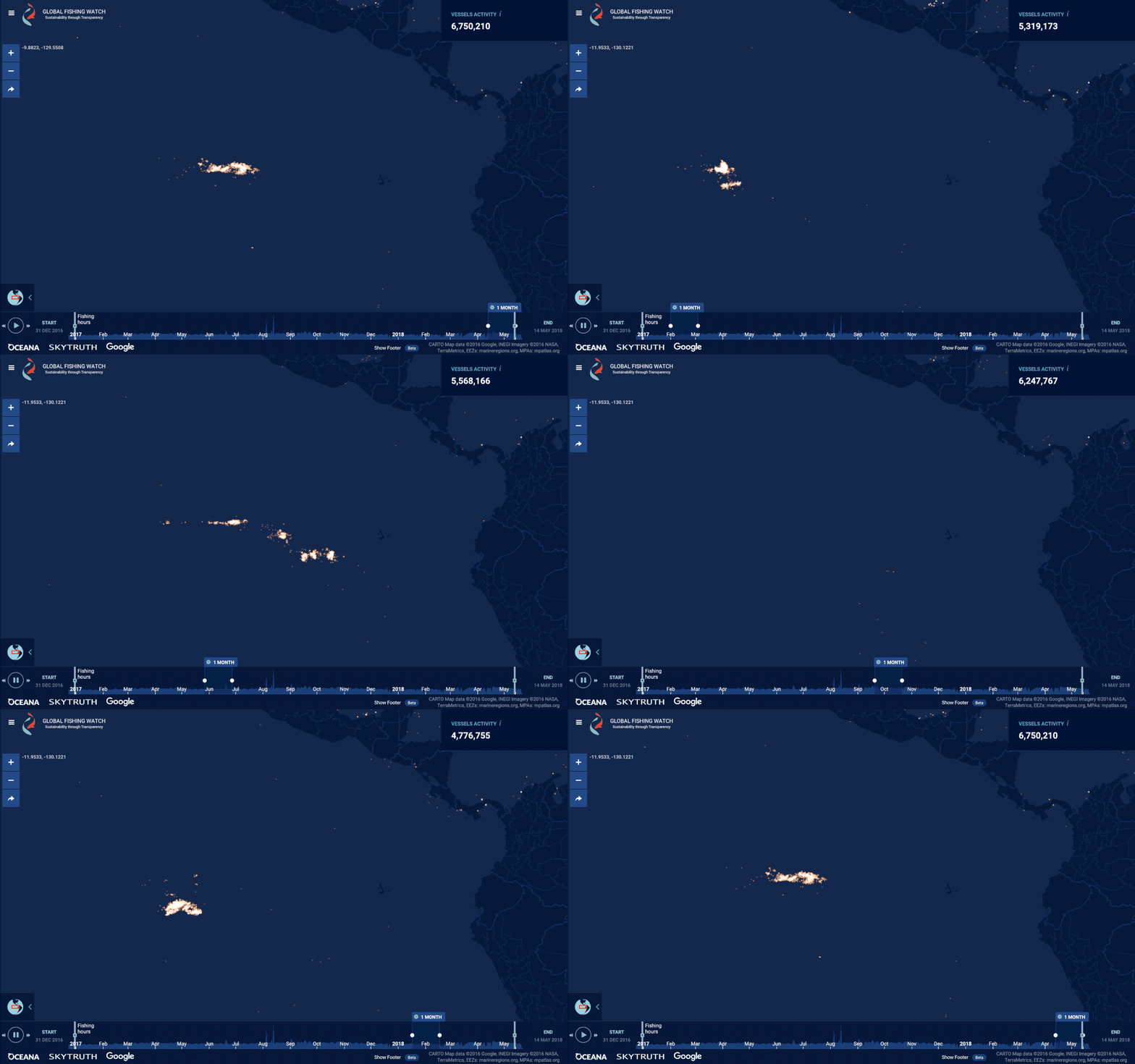
GFW New night light layer squid fleet in the Pacific

Identification of ‘dark vessels’

Using bright lights to reveal the ‘dark’ fleet Christopher Elvidge with the U.S. National Oceanic and Atmospheric Administration (NOAA)’s Earth Observation Group writes about matching night-time imagery with monitoring data from fishing vessels to shed new light on the ‘dark’ fleet. The challenges with tracking vessels Vessel tracks from Automatic Identification System (AIS) and Vessel

Identification of ‘dark vessels’ Read More »

Scroll to Top

Help us improve the site

Take a quick website survey to help us build a better experience for visitors like you.