
Global Fishing Watch launches major data upgrade for clearer picture of global fishing activity
In latest update, artificial intelligence and cutting-edge infrastructure changes will improve fishing estimates and vessel identification for vast swathes of global ocean data
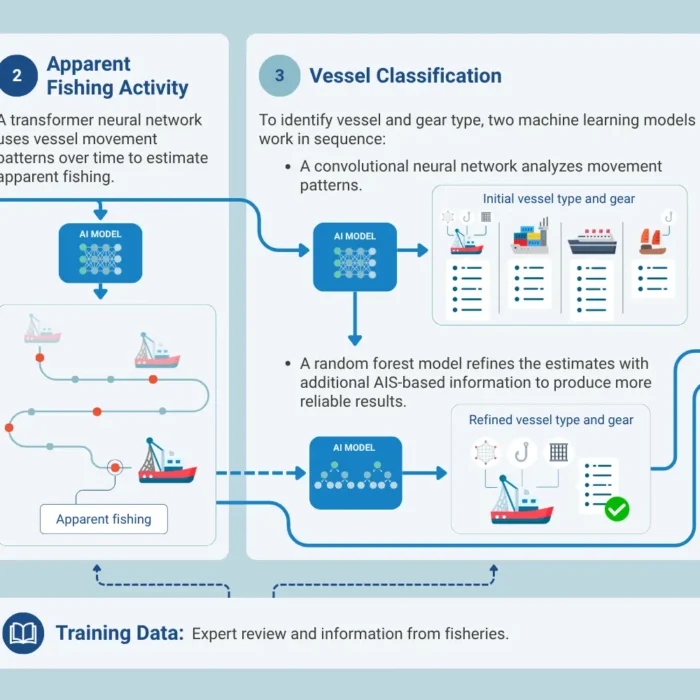
Mapping the Unseen: How Our AI Models Work
Global Fishing Watch uses artificial intelligence, geolocation data, fisheries logbooks and vessel registries to transform billions of satellite tracking points into a clear map of ocean activity.
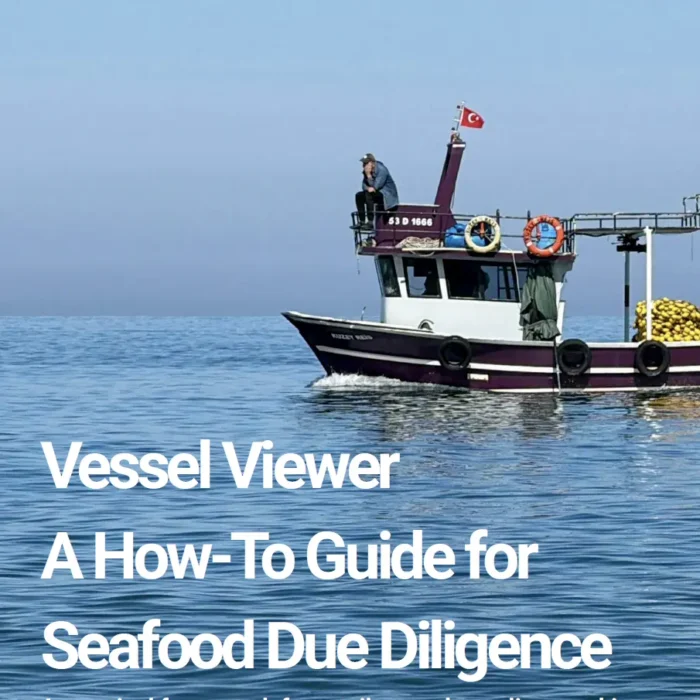
Using Vessel Viewer to Strengthen Seafood Supply Chain Due Diligence
A practical new framework offers governments a cost-effective roadmap to improve vessel tracking systems, secure their waters and protect fisheries.
Ai2 and Global Fishing Watch unite to bring AI agents to ocean monitoring
Strategic partnership will bring next-generation AI and satellite analytics to ocean monitoring, advancing responsible AI through transparency and human oversight.

Ask Global Fishing Watch: Small Vessel Detection
How Does AI Detect Small Vessels in Satellite Imagery?

Global Fishing Watch welcomes landmark recognition of transparency in fight against illegal fishing
A ‘watershed moment’ at the U.N.’s leading fisheries forum signals growing momentum to put public data and technology at the heart of ocean governance, says Global Fishing Watch’s policy director.
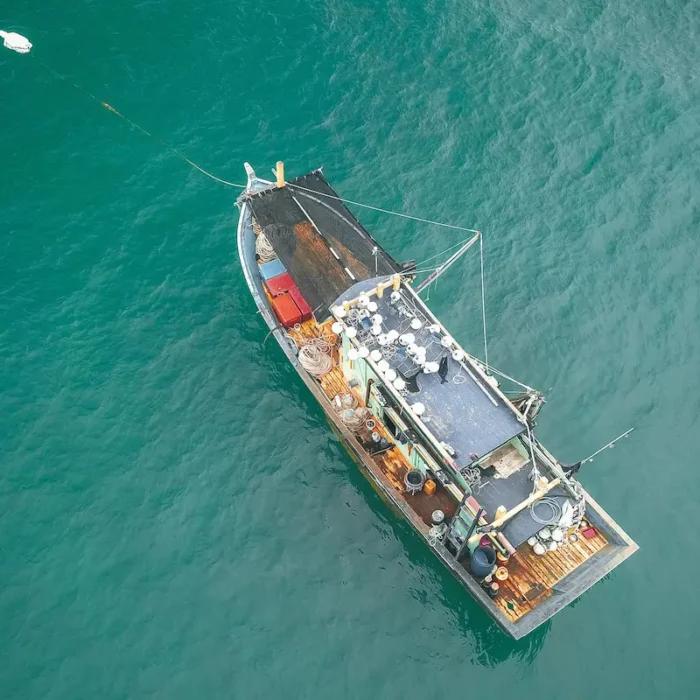
Global Fishing Watch launches first global blueprint to help governments strengthen vessel tracking
The comprehensive guide offers more than 70 practical recommendations to leverage ocean transparency for better ocean governance
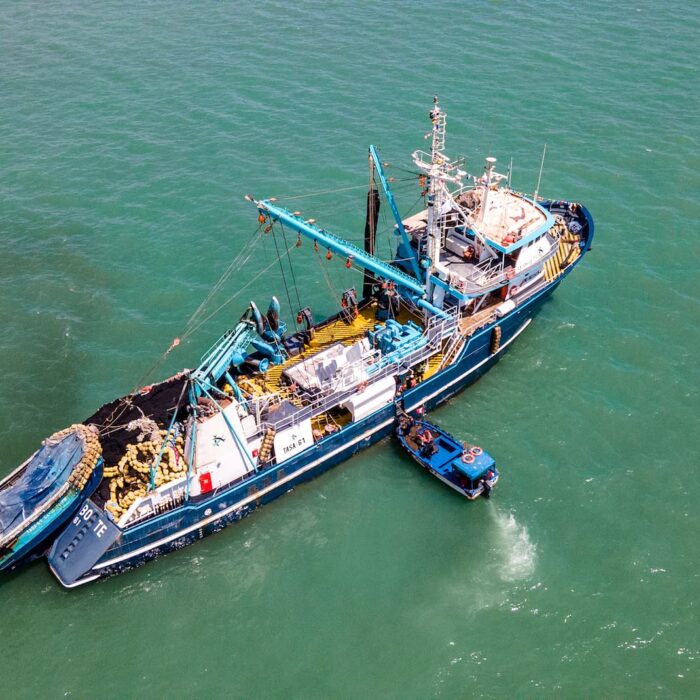
Vessel Tracking Best Practices Guide: Summary and Key Takeaways
A practical new framework offers governments a cost-effective roadmap to improve vessel tracking systems, secure their waters and protect fisheries
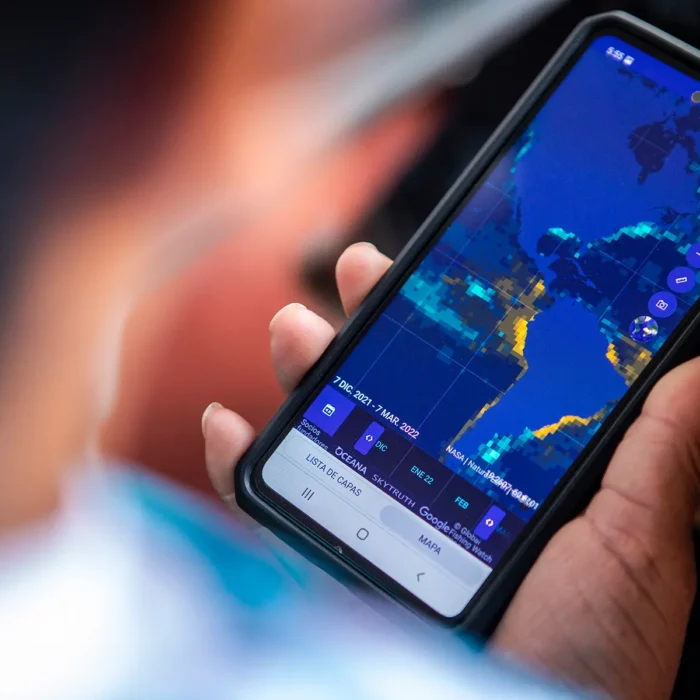
How AIS and VMS Tracking Technologies Work: 10 Essential Questions Answered
Discover how these complementary systems work, where each excels and why using them together strengthens fisheries monitoring, control and surveillance.
Tracking Vessels with VMS
With our marine ecosystems under constant threat from overfishing and illegal operations, regulatory bodies need a reliable way to monitor commercial fishing fleets.
Tracking Vessels with AIS
The ocean is one of the world’s most important shared resources, yet for decades, activities at sea occurred out of sight, making it difficult to manage marine resources and combat illegal,...
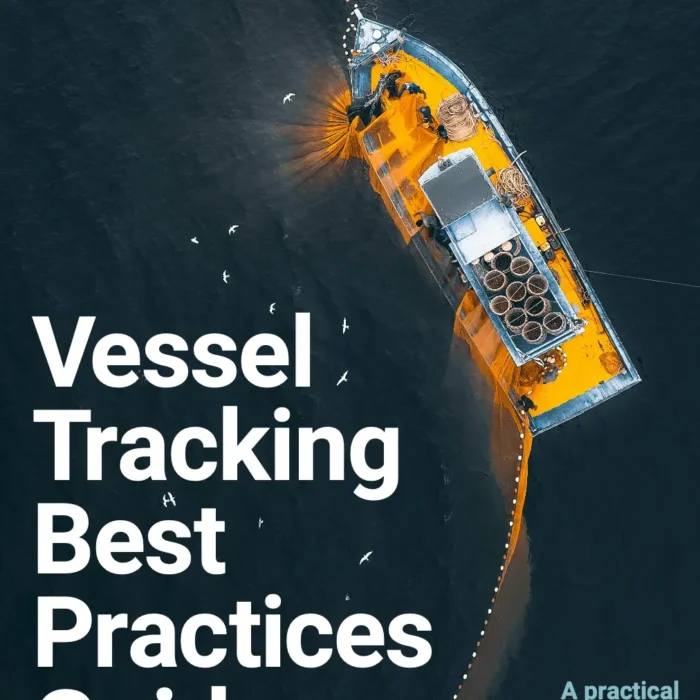
Vessel Tracking Best Practices Guide
A practical new framework offers governments a cost-effective roadmap to improve vessel tracking systems, secure their waters and protect fisheries.
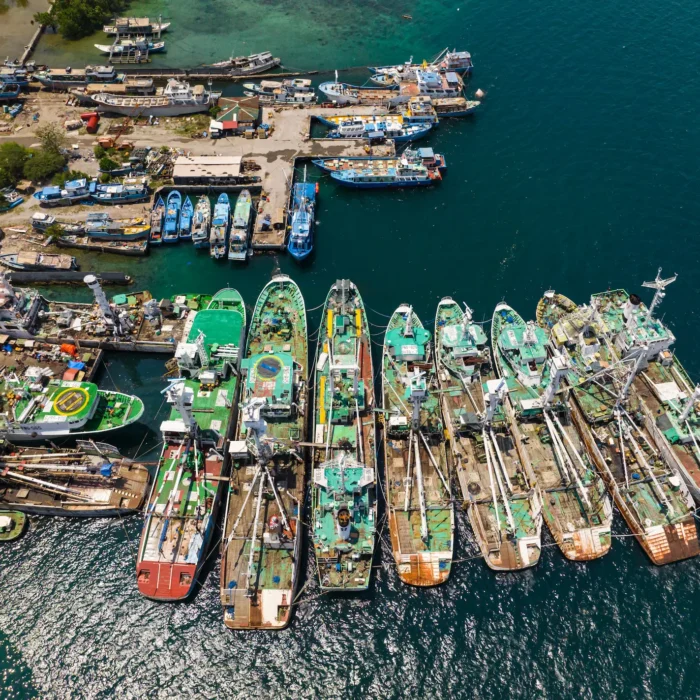
In the Philippines, Global Fishing Watch Trains Fisheries Authorities to Harness Satellite Data in the Fight Against Illegal Vessels
Philippine fisheries authorities are turning tracking data into actionable intelligence to target suspicious activity at sea

The Next Frontier of Ocean Governance: AI, Satellites and Transparency
Dr. Jennifer Raynor discusses the rapid evolution of AI-enabled vessel tracking technologies and how this technology can drive better decisions at sea.
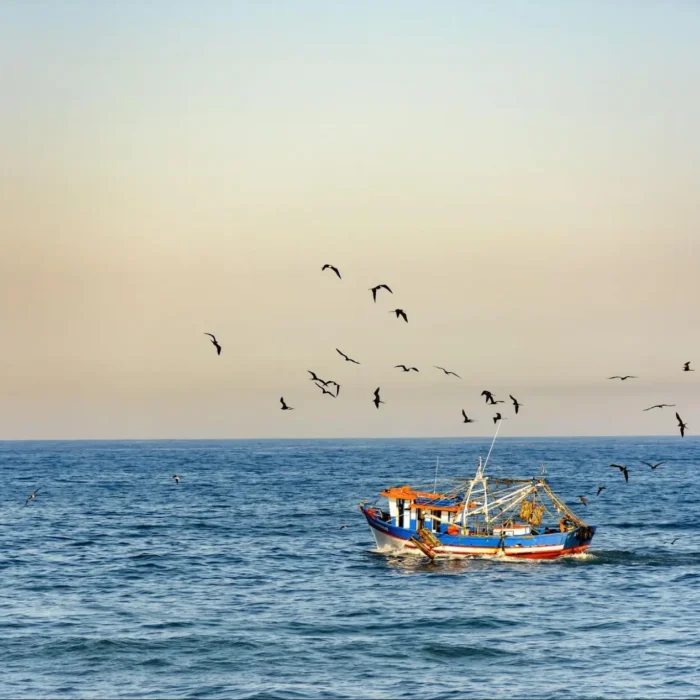
Five Years of Ocean Transparency: How Brazil is Shaping the Future of the South Atlantic
After opening its fishing vessel tracking data to the public, Brazil is showing how transparency can drive effective stewardship of one of the world's largest ocean territories.
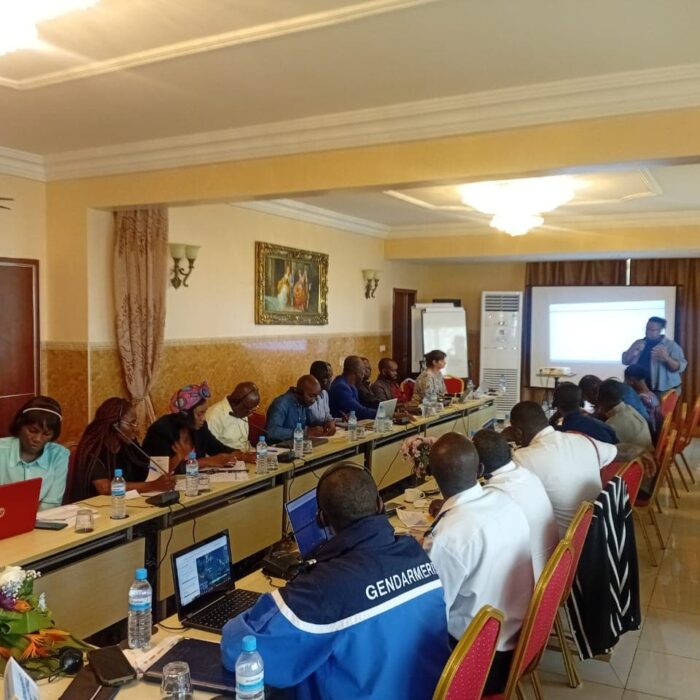
In Gabon, Satellite Intelligence Leads to the Seizure of Illegal Trawlers
Working alongside Gabonese authorities, Global Fishing Watch helps transform vessel tracking intelligence into coordinated enforcement action.
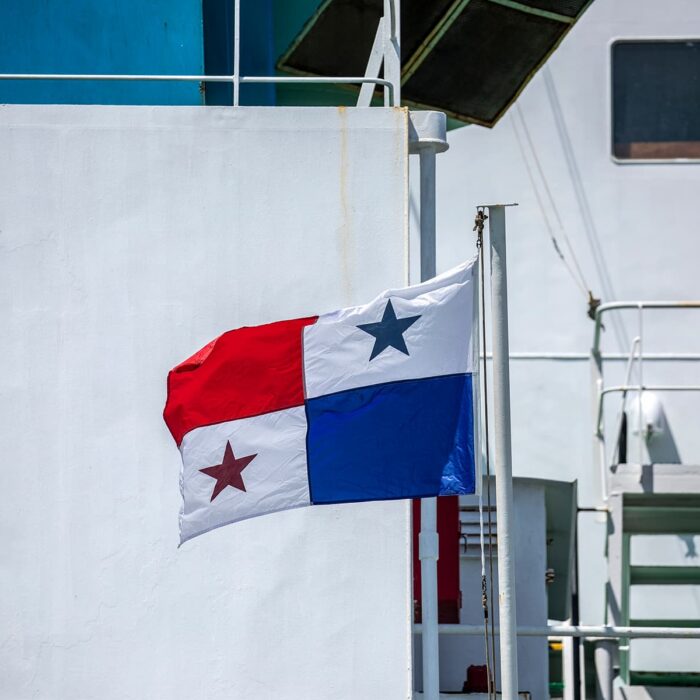
Panama Publishes Ultimate Beneficial Ownership Data for Its International Fishing Fleet
By revealing who ultimately profits from vessels flying its flag, Panama is setting a bold new standard for transparency and accountability in global fisheries
In building for the future, Global Fishing Watch strengthens scientific governance and leadership
Appointments across the science advisory board and board of directors reinforce the organization's scientific rigor, governance and global reach
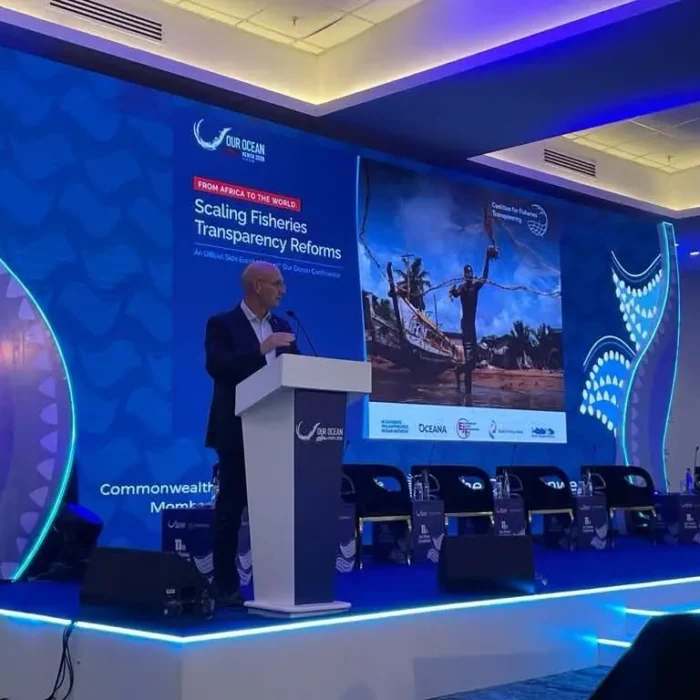
At Our Ocean Conference, Global Fishing Watch helps drive global push for ocean transparency
From vessel tracking to better fisheries management, new partnerships and policy commitments signal growing momentum toward accountability at sea

At Our Ocean Conference, Panama charts a new course in fisheries transparency
Panama’s new transparency commitment is the latest milestone in the country’s transformation into a global leader for fisheries management, says Global Fishing Watch’s Mónica Espinoza Miralles
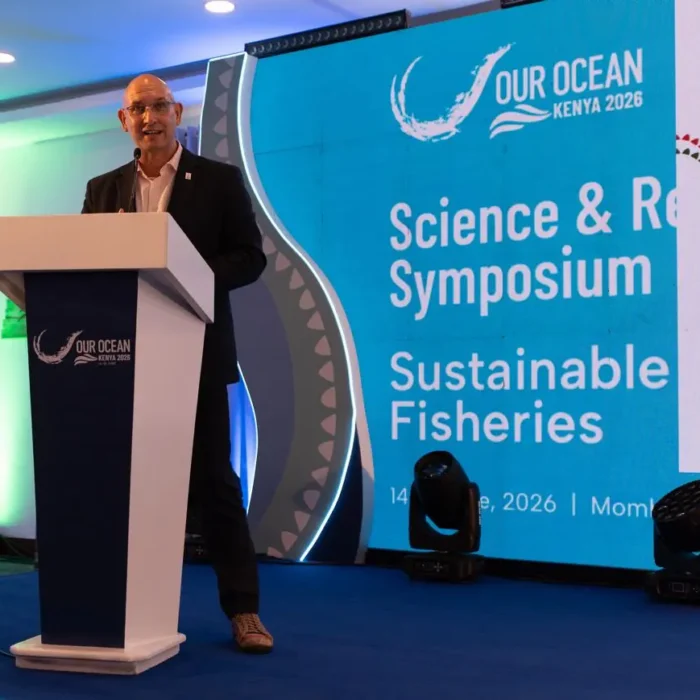
In Mombasa, Africa Can Launch a New Era in Ocean Governance
For centuries, communities along Africa’s eastern coast have understood what today’s global policymakers are only now beginning to grasp: the ocean is more than just a vast space; it is the...
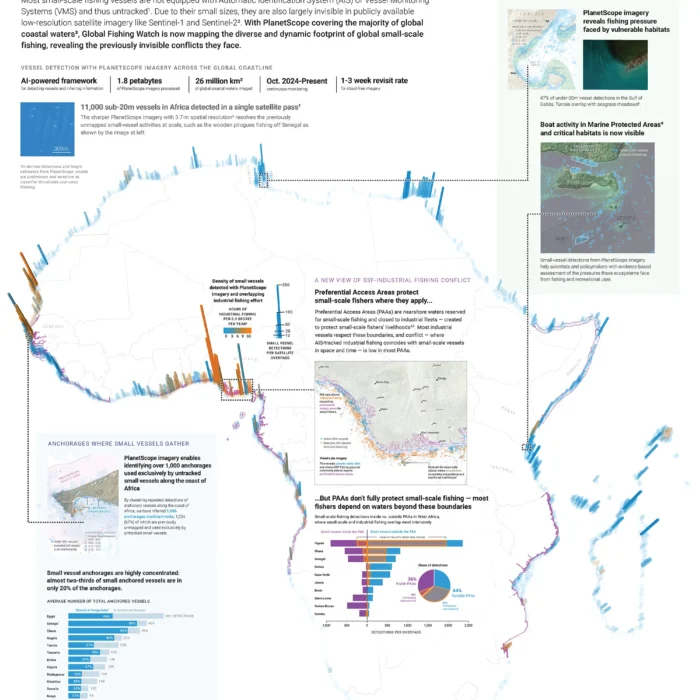
Our Ocean Conference Science and Research Symposium Poster: Satellite Imagery Reveals Small-Scale Fishing Activity and Industrial Encroachment
Global Fishing Watch has revealed a powerful new approach to mapping previously hidden fishing activity.
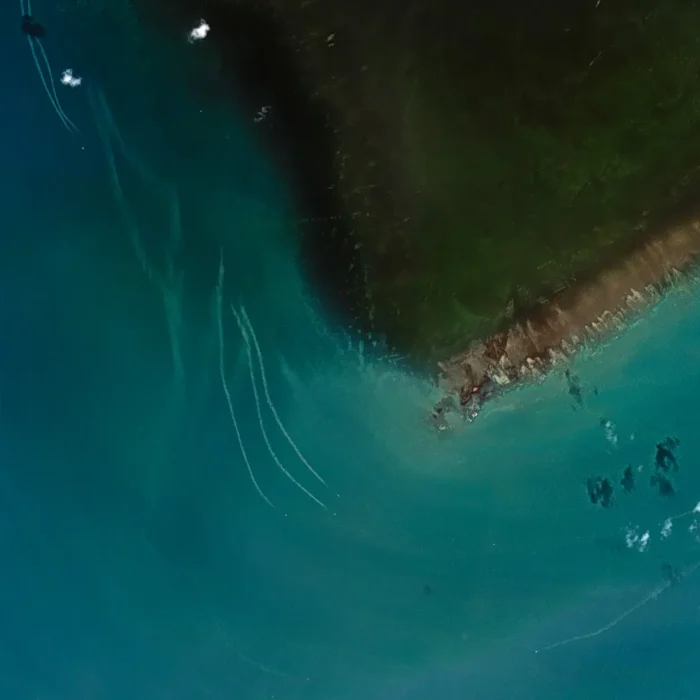
How Much Do You Know About Satellite Imagery and Its Power to Protect Our Ocean?
Test your knowledge of how satellite technology is helping reveal previously unseen activity at sea and support more effective ocean conservation.
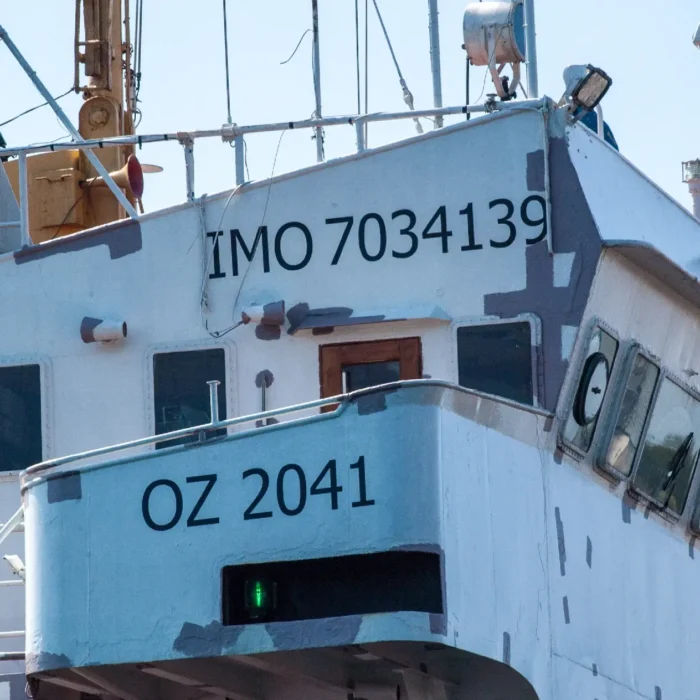
IMO Numbers: A Guide for Governments
The International Maritime Organization (IMO) number is a permanent, unique seven-digit identifier assigned to a vessel for its entire lifespan.
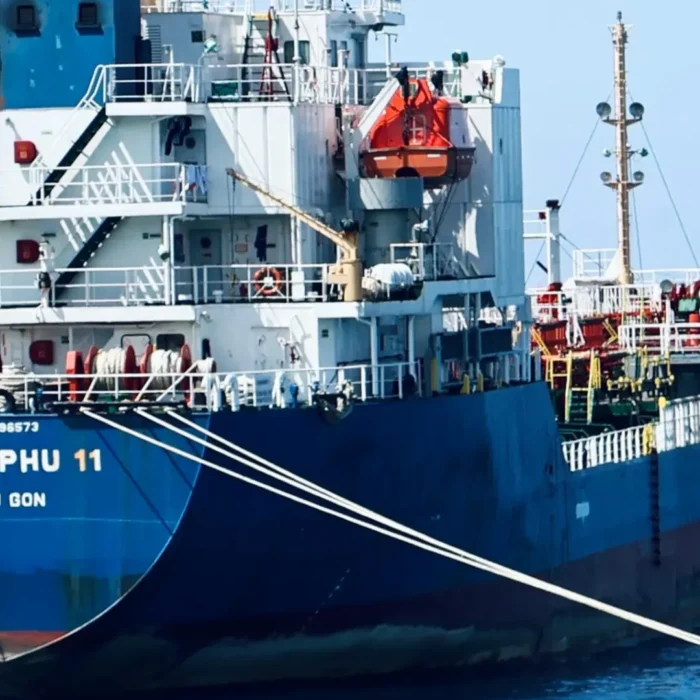
IMO Numbers for Fishing Vessels: Why Permanent Identification Matters
Closing critical gaps in global fisheries oversight requires standardized identification

Transparency at Sea: Advancing Beneficial Ownership in Fisheries Governance
Shedding light on ownership structures can foster a more accountable and responsible fishing sector

Illegal fishing thrives out of sight. Transparency brings it into view
Marking the international fight against illegal fishing, Global Fishing Watch CEO Tony Long unveils IUU Fishing Risk Insights — a new dataset designed to reveal the “digital fingerprints” of vessels at...
Illegal, Unreported and Unregulated Fishing Risk Insights: A New Framework for Analyzing Vessel Behavior
Harnessing automatic identification system data to advance global transparency through structured risk indicators and network metrics
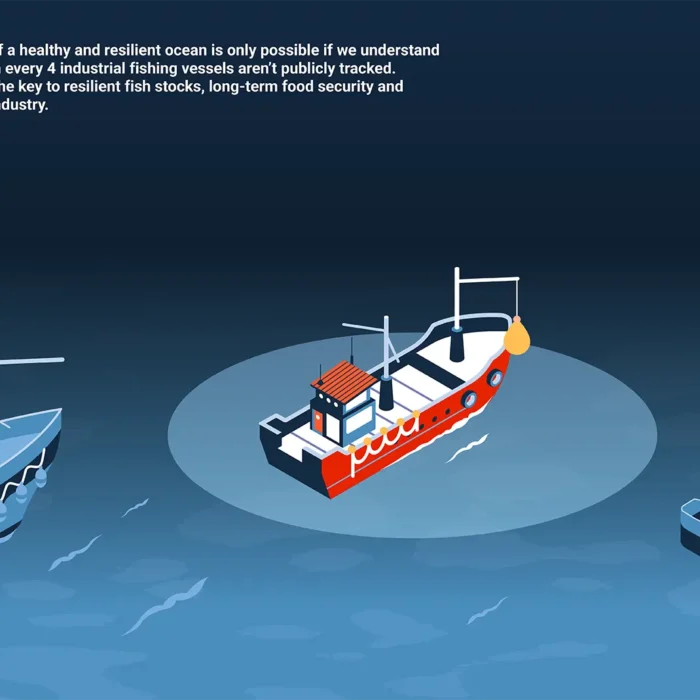
Vessel Tracking: Making the Invisible Visible
Transparency is essential to promoting sustainable ocean governance and mitigating against illegal, unreported and unregulated (IUU) fishing. Through clear data-sharing practices such as vessel tracking, public registration, identification, ownership disclosure

Why Commit to Transparent Vessel Tracking
Transparency is essential to promoting sustainable ocean governance and mitigating against illegal, unreported and unregulated (IUU) fishing. Through clear data-sharing practices such as vessel tracking, public registration, identification, ownership disclosure