research

Commonwealth Club The Global Fishing Watch Research Program

Breakthroughs in Science: The Global Fishing Watch Research Program

Why is Global Fishing Watch (GFW), a non-profit organization, investing so much effort into collaborating with scientists to publish research papers? And why has the program been so successful in doing so? In this blog, GFW Research and Innovation Director, David Kroodsma outlines why we are pursuing this work, why he believes it has been

Breakthroughs in Science: The Global Fishing Watch Research Program Read More »
Screen Shot 2019-05-23 at 1.18.22 PM

Rhythms of the wild in global fisheries data

Eric Galbraith is an ICREA research professor based at the Autonomous University of Barcelona. Jerome Guiet is a postdoctoral researcher at the University of California, Los Angeles. Read their new study. Most of the activity that Global Fishing Watch monitors is carried out by industrial fisheries, working for profit. These businesses are run and staffed

Rhythms of the wild in global fisheries data Read More »

Anchovy boats peru

World’s largest commercial fishery publicly tracked on Global Fishing Watch map

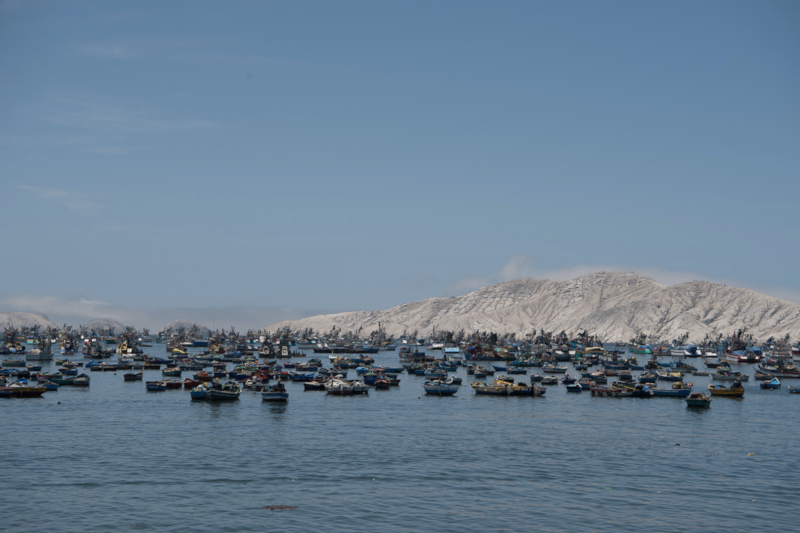
This year’s first fishing season for Peruvian anchovy opens on May 4th and for the first time ever anyone can track the fishing fleet as the season progresses, thanks to the recent agreement to publish Peru’s vessel data via Global Fishing Watch’s public map. En español Monitoring of the Peruvian anchovy fleet using the national Vessel Tracking

World’s largest commercial fishery publicly tracked on Global Fishing Watch map Read More »

Tuna

Predicting overlap of tunas, sharks, and ships at sea

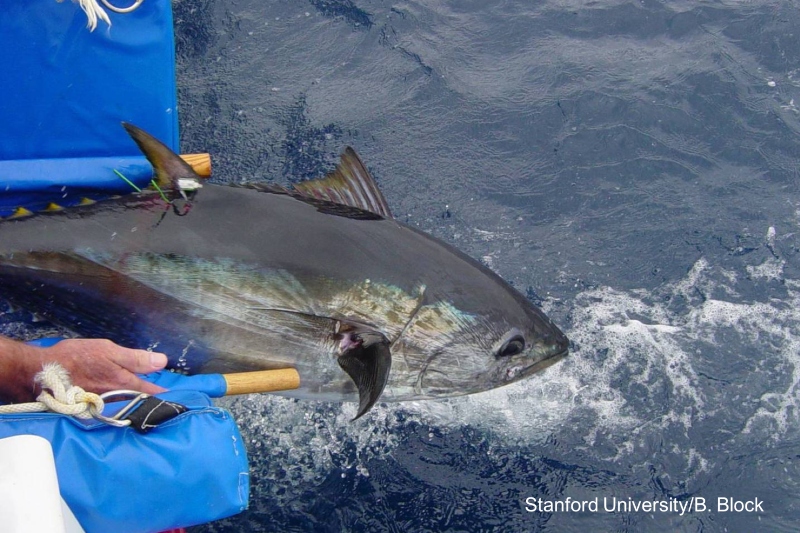
Tim White is a PhD candidate at Stanford University’s Hopkins Marine Station. His recent publication in Science Advances, Predicted hotspots of overlap between highly migratory fishes and industrial fishing fleets in the Northeast Pacific, focuses on how vessel tracking and fish habitat models can help inform management of sharks and tunas. How do you sustainably

Predicting overlap of tunas, sharks, and ships at sea Read More »

Photo by Sweet Ice Cream Photography on Unsplash

More fishing inside, more sharks outside marine protected areas

Manuel Dureuil is a PhD student researching sharks and Kristina Boerder a postdoctoral fellow working on marine protected areas at Dalhousie University, Canada. In a recent publication in SCIENCE, Elevated trawling inside protected areas undermines conservation outcomes in a global fishing hotspot, Manuel, Kristina and a team of researchers from Dalhousie University, GEOMAR Helmholtz Centre

More fishing inside, more sharks outside marine protected areas Read More »

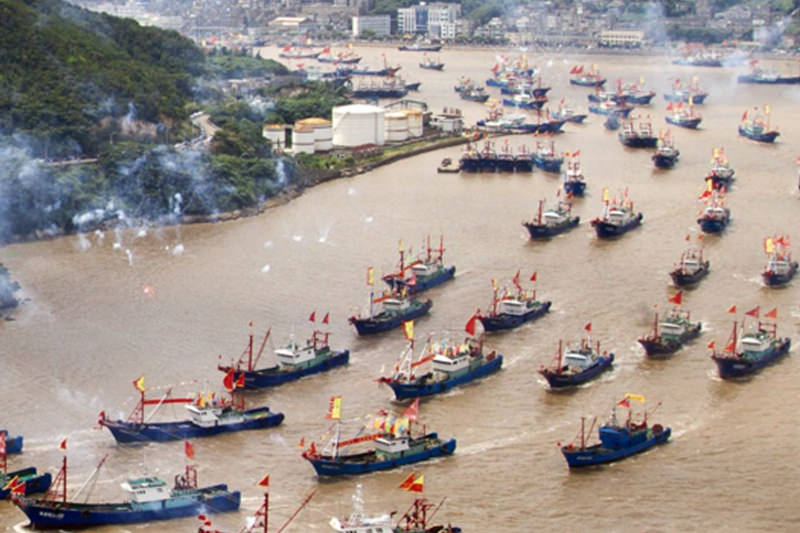
Fishermen set out for sea after summer fishing suspension ends, Ningbo, Zhejiang Province, China - 16 Sep 2014.

A who’s who for the oceans: building a global database of fishing vessels

Our groundbreaking online map tracks the movements of commercial fishing vessels all over the world. As part of our ambition to reveal and analyse the fishing activity responsible for the majority of the world’s marine catch, we’re constantly working to improve the quality of the data behind the dots. Here, Data Scientist Jaeyoon Park takes

A who’s who for the oceans: building a global database of fishing vessels Read More »

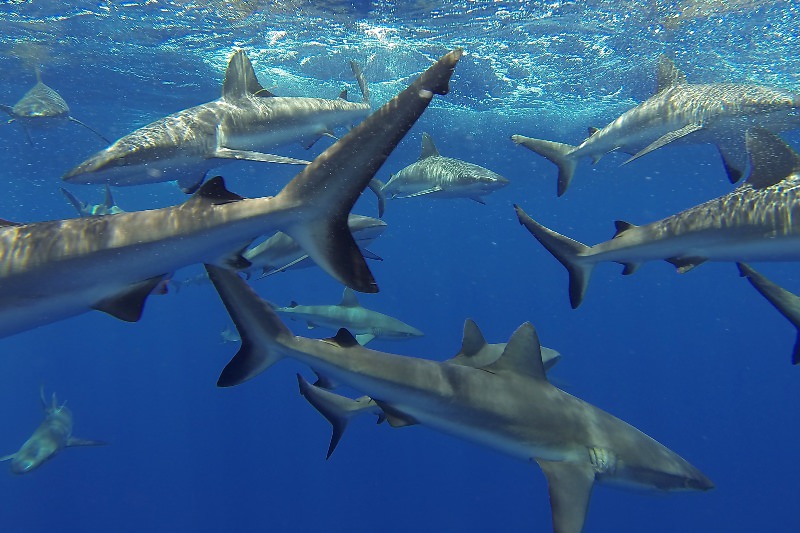
Grey Reef Sharks

How can vessel tracking technology help to create true shark sanctuaries?

Darcy Bradley is a postdoctoral researcher at University of California – Santa Barbara’s Bren School of Environmental Science & Management. Her recent publication in Conservation Letters, Leveraging satellite technology to create true shark sanctuaries, examined how advancements in tracking technology can help us better understand illegal fishing activity and therefore improve fisheries management.  What do you

How can vessel tracking technology help to create true shark sanctuaries? Read More »

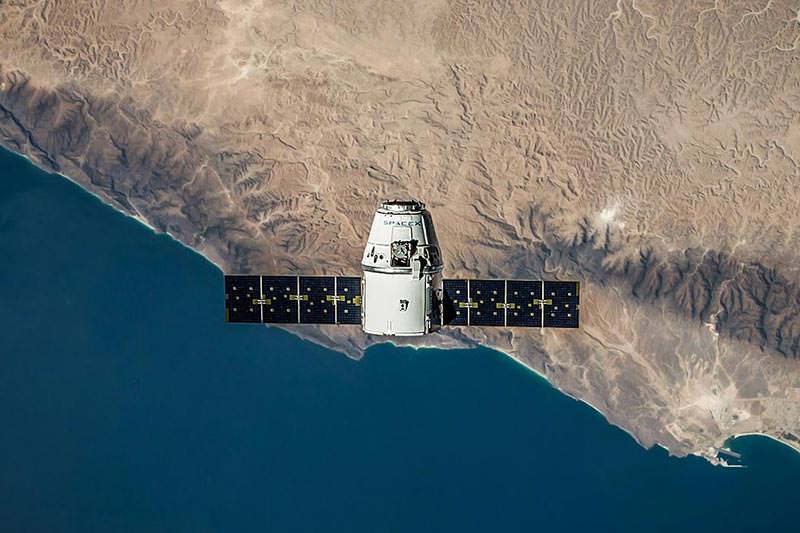
saltelite

How satellite data and artificial intelligence are putting a spotlight on our blue planet

Tony Long, CEO, Global Fishing Watch Imagine being told that a vital and valuable resource, found in an area covering almost half the surface of the Earth, was being extracted, with barely any control, by just a handful of wealthy nations. It would hardly sound fair, but that is the reality of industrial fishing on

How satellite data and artificial intelligence are putting a spotlight on our blue planet Read More »

Global Fishing Activity

Half the Ocean? A Response to the University of Washington’s Blog

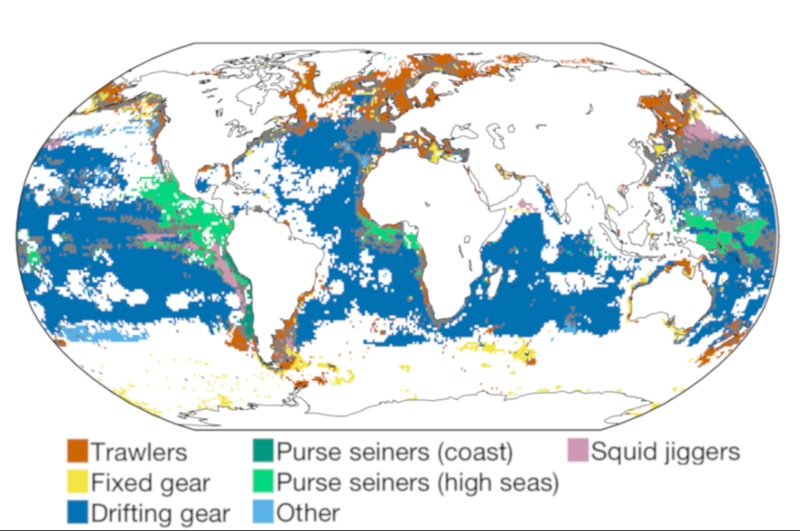
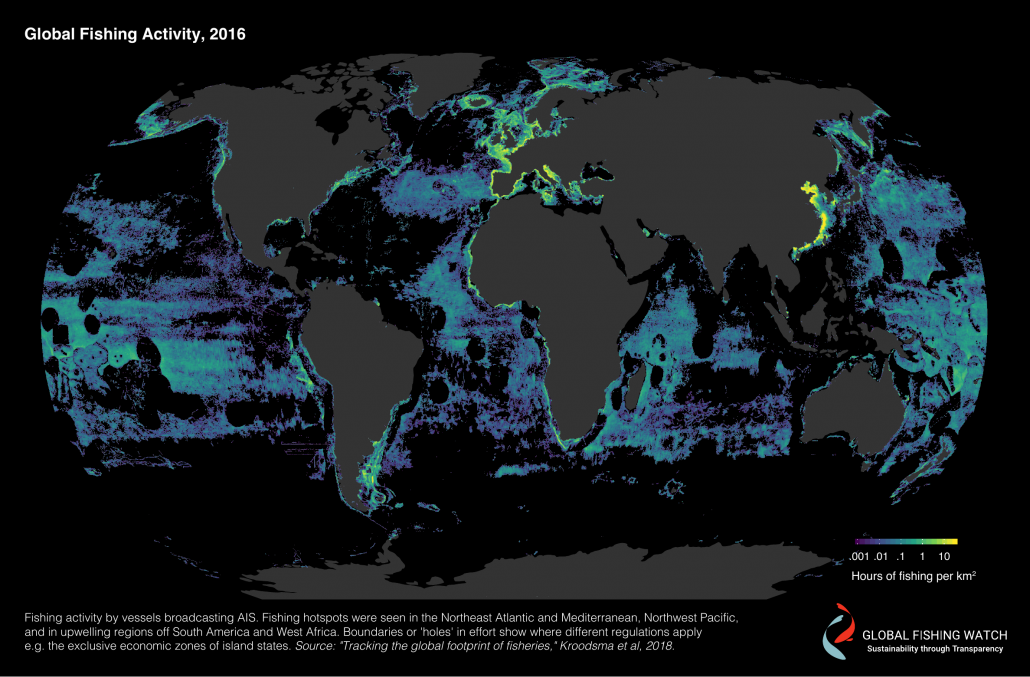
On the pages of Science Magazine (comment and response), Twitter, the University of Washington’s Sustainable Fisheries blog, and The Atlantic, my co-authors and I have engaged in a healthy debate with University of Washington researchers about how to measure the global footprint of fisheries. This exchange has helped raise awareness of different ways to measure, understand, and

Half the Ocean? A Response to the University of Washington’s Blog Read More »

fishing longline draw

Predicting the distribution of the high seas longline fleet

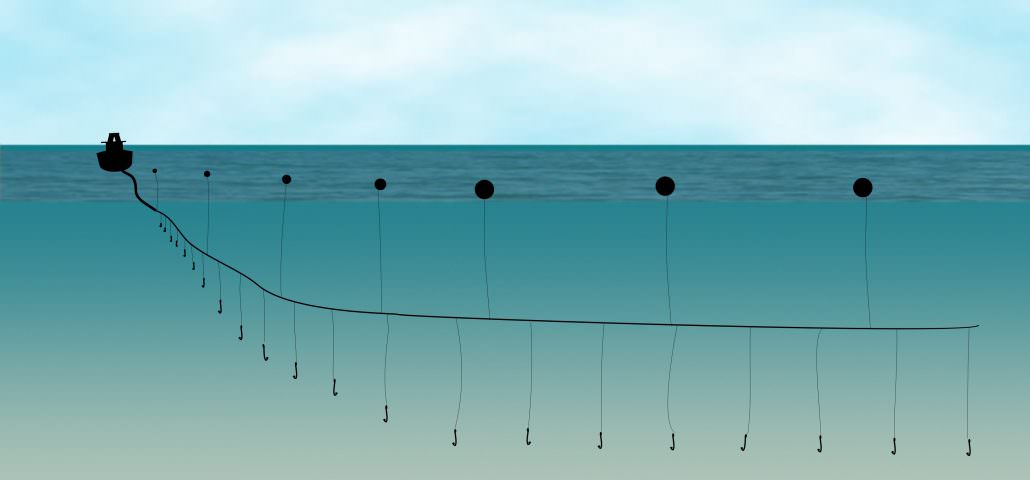
Guillermo Ortuño Crespo, member of The Marine Geospatial Ecology Lab at Duke University As the extent and diversity of ocean industries continues to grow, the international community faces the challenging task of accommodating multiple ocean uses while minimizing negative ecological impacts across sectoral industries. Oceanic fisheries have grown exponentially since the aftermath of the Second

Predicting the distribution of the high seas longline fleet Read More »

Fishing Effort within the North Pacific Fisheries Commission

Earlier this month, Global Fishing Watch attended a meeting of  the North Pacific Fisheries Commission (NPFC), a relatively new Regional Fisheries Management Organization (RFMO) charged with managing the high seas in the northern Pacific. The NFPC has set an ambitious objective of ensuring ‘the long-term conservation and sustainable use of the fisheries resources in the

Fishing Effort within the North Pacific Fisheries Commission Read More »

Scroll to Top

Help us improve the site

Take a quick website survey to help us build a better experience for visitors like you.