Research and analysis

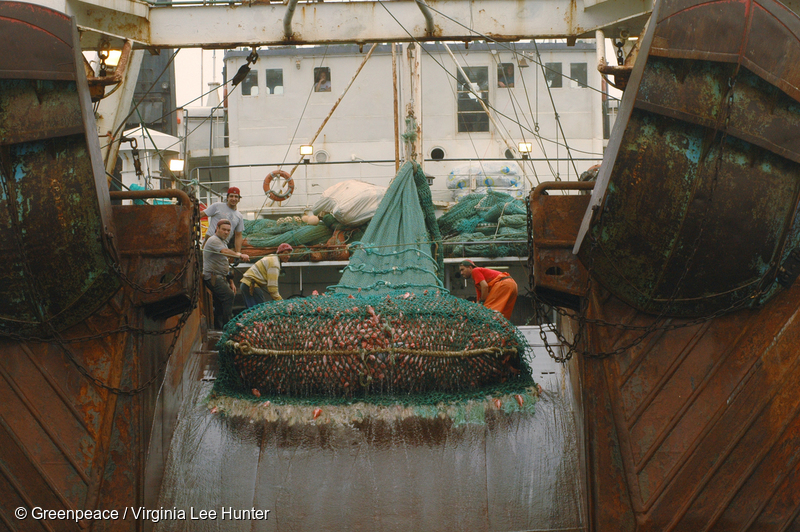
The Overlooked Impact of Bottom Trawling

A new study published by the scientific journal Nature is the first to quantify the potential release of carbon dioxide (CO2) into the ocean from trawling and finds that trawling is pumping hundreds of millions of tons of CO2 into the ocean every year. Juan Mayorga, marine scientist and study coauthor, talks about the groundbreaking […]
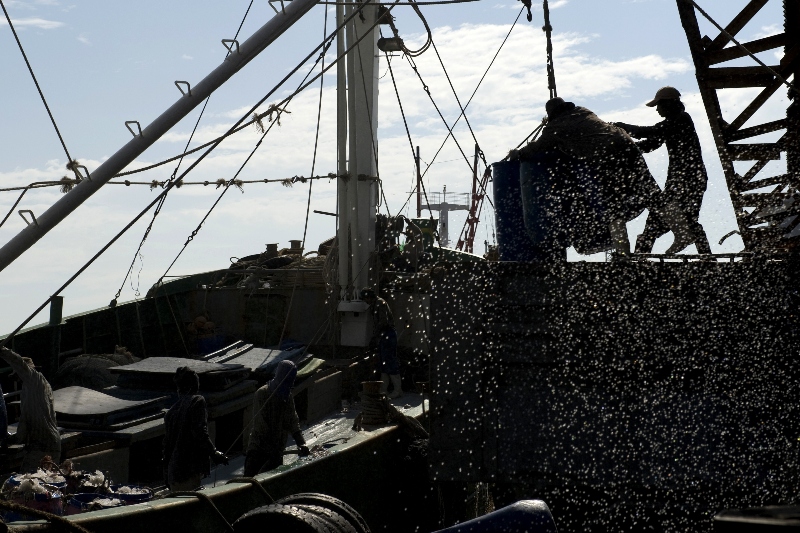
The Overlooked Impact of Bottom Trawling Read More »

MUNRO and Kamchatka

Global Fishing Watch Assists U.S. Coast Guard Patrol in the Pacific

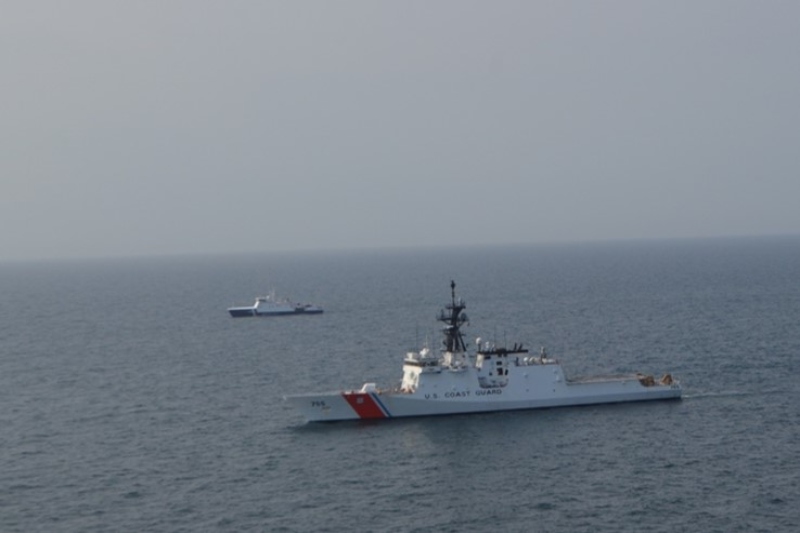
International collaboration and information sharing are key to detecting suspicious vessels and achieving well-managed fisheries. The U.S. Coast Guard (USCG) Cutter DOUGLAS MUNRO recently completed a nearly two-month patrol, traveling 12,500 miles (20,117 km) throughout the ocean in support of Operation North Pacific Guard, an annual high seas fisheries law enforcement operation designed to detect

Global Fishing Watch Assists U.S. Coast Guard Patrol in the Pacific Read More »

aerial vessel

New Study Claims Information Sharing is Key to Transparency in International Fisheries

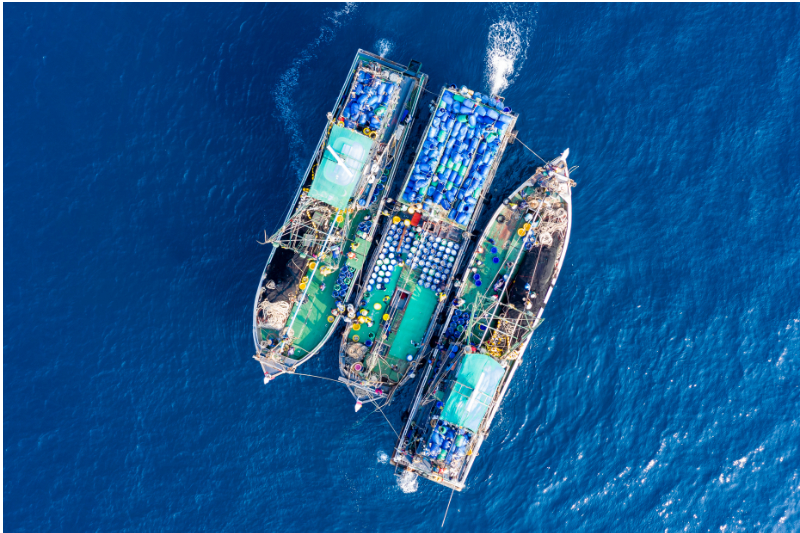
Pacific case study suggests greater transparency will improve legitimacy and sustainability of tuna fisheries  Transshipment, the transfer of catch from fishing vessels to refrigerated cargo vessels (often called ‘reefers’ or ‘carriers’)  is an important part of many seafood supply chains. But when transshipment occurs at sea, loopholes in governance and gaps in monitoring can obscure

New Study Claims Information Sharing is Key to Transparency in International Fisheries Read More »

Palmyra Atoll

Study Uses Satellite Technology to Reveal How Fisheries Respond to Marine Protection

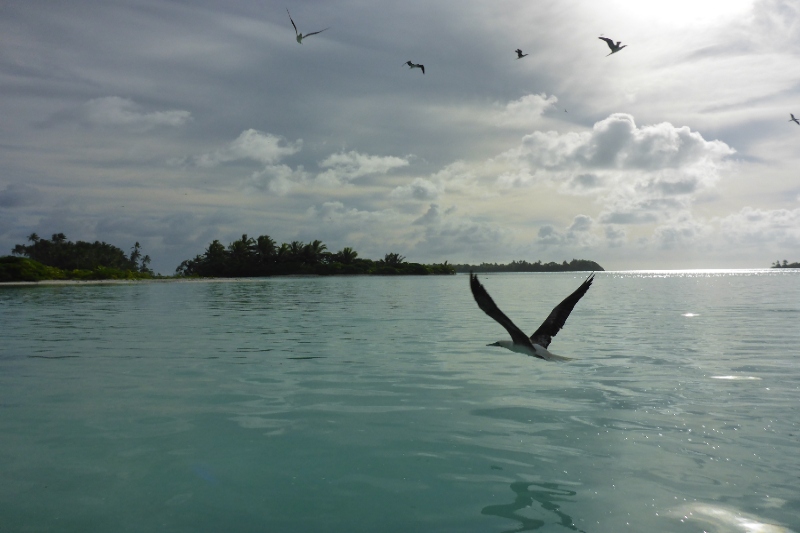
A team of scientists investigate benefits of large marine protected areas Standing at sea level, looking out at the ocean, you can only see about three miles (5 km) from shore. The largest marine protected areas (MPAs), which restrict fishing for conservation or fisheries benefits, span up to 200 nautical miles (370 km) from shore.

Study Uses Satellite Technology to Reveal How Fisheries Respond to Marine Protection Read More »

Blue whales

Global Fishing Watch Data Reveals Ships Speed through Endangered Whale Habitat

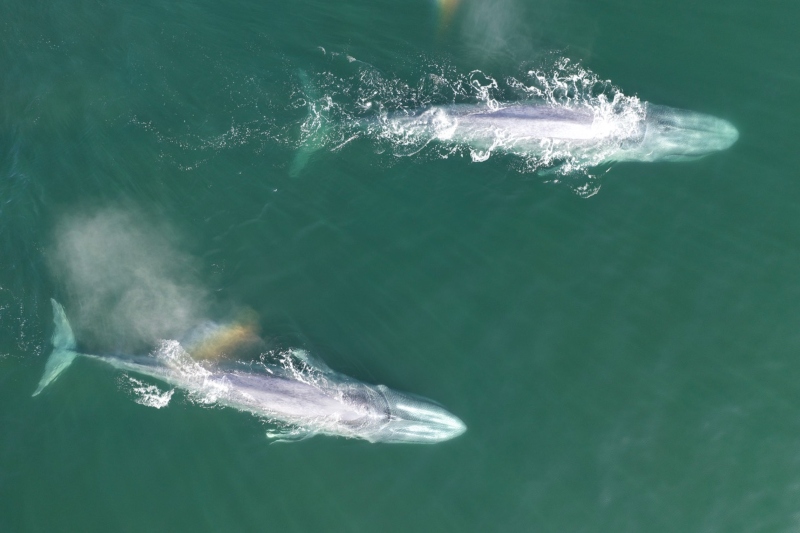
When we click ‘buy’ online or check out at a retail store, we don’t often think about massive ships moving our products across the ocean. Yet we are all connected to the marine shipping industry by the goods we use every day. As the connectors of the global economy, cargo ships move up to 90

Global Fishing Watch Data Reveals Ships Speed through Endangered Whale Habitat Read More »

Chinese lighting vessels

International Cooperation Uncovers Large-Scale Illegal Fishing, Highlights Need for More Multinational Efforts

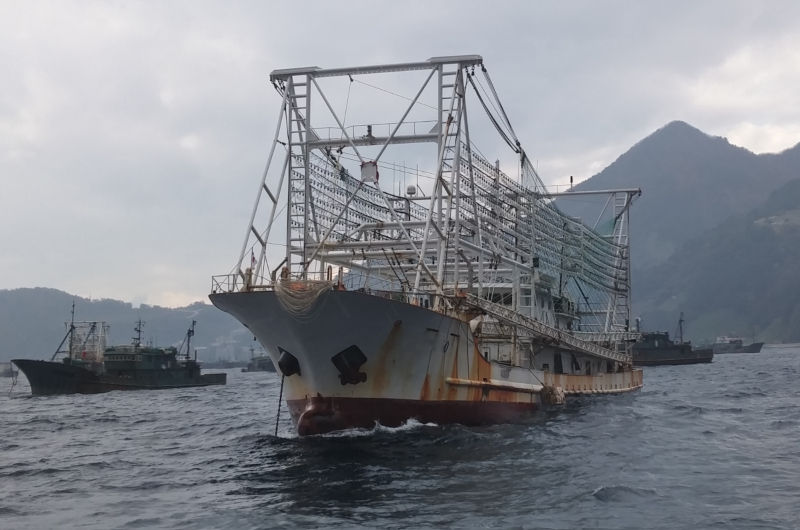
Experts from four countries joined forces to find out the real cause behind drastic decline in squid catch   A Global Fishing Watch-led study uncovers what is possibly the largest ever documented case of illegal fishing by vessels originating from one country operating in another nation’s waters, leading to significant ramifications. The story behind the research

International Cooperation Uncovers Large-Scale Illegal Fishing, Highlights Need for More Multinational Efforts Read More »

Illegal fishing by dark fleets in north korea

New Technology Unveils Massive Illegal Fishing by Dark Fleets in North Korea, What Next?

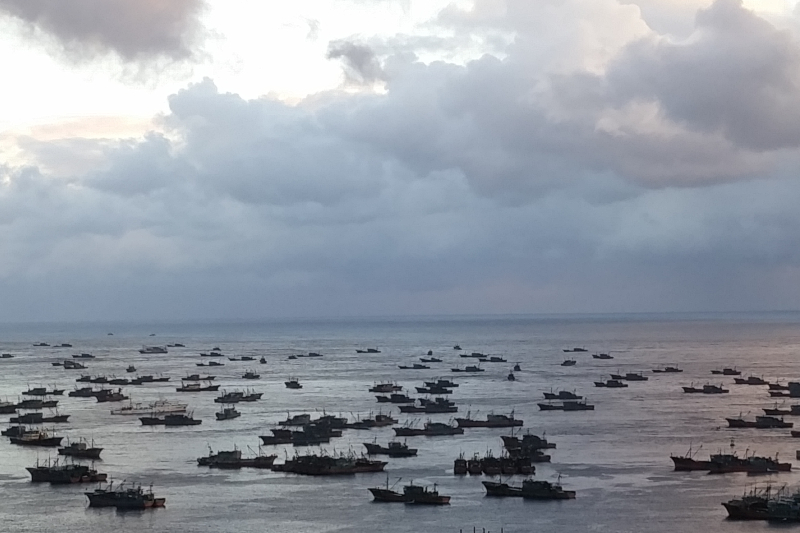
International collaboration and new technology shows unprecedented picture of fishing activity in North Korea, calls on nations to take action In the 30th issue of Science Advances Global Fishing Watch, along with 13 other co-authors, published a study revealing widespread illegal fishing in North Korean waters across 2017 and 2018. Hundreds of large, industrial vessels

New Technology Unveils Massive Illegal Fishing by Dark Fleets in North Korea, What Next? Read More »

Iranian gillnet fishing vessel in Berbera harbour in 2015

Illegal Fishing Hotspot Identified in Northwest Indian Ocean

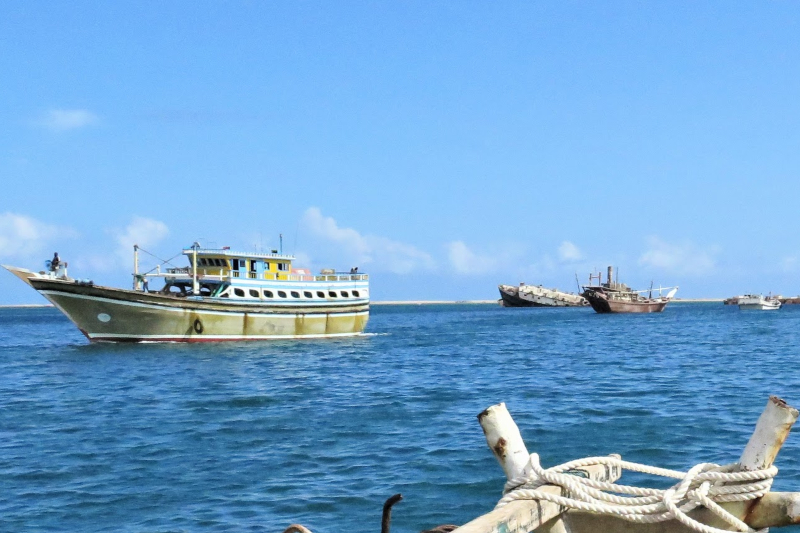
Nearly 200 Iranian vessels detected in Somali and Yemeni waters represent one of the world’s largest illegal fishing operations. Global Fishing Watch (GFW) and Trygg Mat Tracking (TMT) have been working with partners in the Northwest Indian Ocean region, including the Somali government, to identify large-scale illegal fishing that is occurring inside the waters of

Illegal Fishing Hotspot Identified in Northwest Indian Ocean Read More »

aerial vessel

Illuminating global fishing activity with satellite AIS

This article was produced and first published by our data partner, Spire Global. Transparency in a whole new light In February this year, a Vietnamese ship entered Indonesian waters, likely fished illegally, and then returned to port without consequence. By March, it was back at sea. There were no signs to indicate that the vessel

Illuminating global fishing activity with satellite AIS Read More »

makerel

A Conversation with NOAA Researchers, Heather Welch and Dr. Elliott Hazen

A key goal of Global Fishing Watch is to partner with leading researchers who can help us better understand, apply, and expand the usefulness of our data for fisheries transparency. To date, we have partnered with over 12 academic institutions, as well as several government fisheries research agencies, such as Japan’s Fisheries Research Agency. Heather

A Conversation with NOAA Researchers, Heather Welch and Dr. Elliott Hazen Read More »

Oil platforms or wind farms Radar Detections

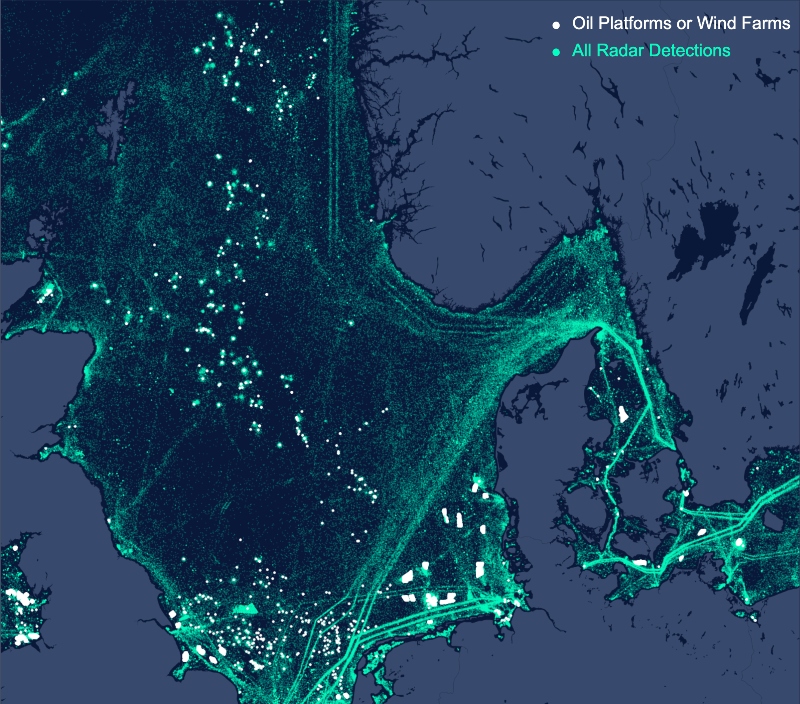
Towards a Radar-Illuminated Ocean

At Global Fishing Watch, we use cutting-edge technology to visualize, track and share data about global fishing activity in near real-time and for free. Our primary dataset comes from data about a vessel’s identity, type, location, speed, direction and more that is broadcast using the Automatic Identification System (AIS) and collected via satellites and terrestrial

Towards a Radar-Illuminated Ocean Read More »

Tuna Marine Protection

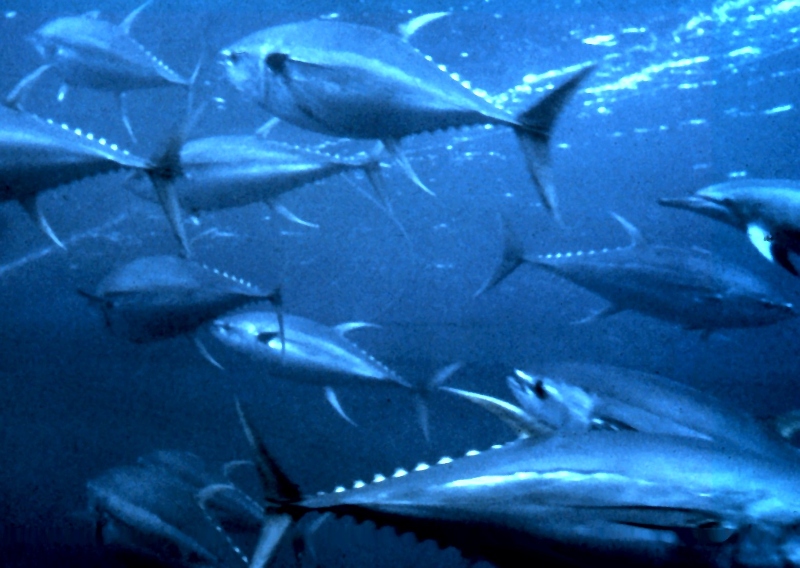
The Rewards of Large-Scale Marine Protection

To conserve or not to conserve Protecting large portions of our oceans from extractive activities can provide enormous benefits to society: food provisioning, carbon storage and sequestration, tourism, storm attenuation and coastline stabilization are only a few of them. So, why do Marine Protected Areas (MPAs) cover only 4.8% of the ocean today? When it

The Rewards of Large-Scale Marine Protection Read More »

Scroll to Top

Help us improve the site

Take a quick website survey to help us build a better experience for visitors like you.