News & Views

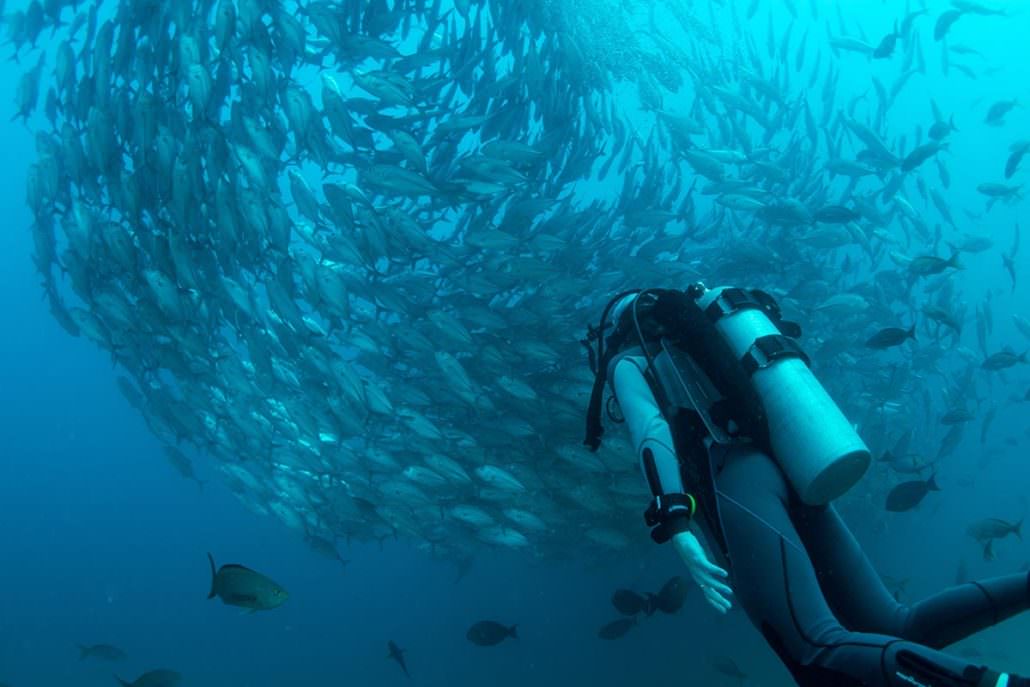
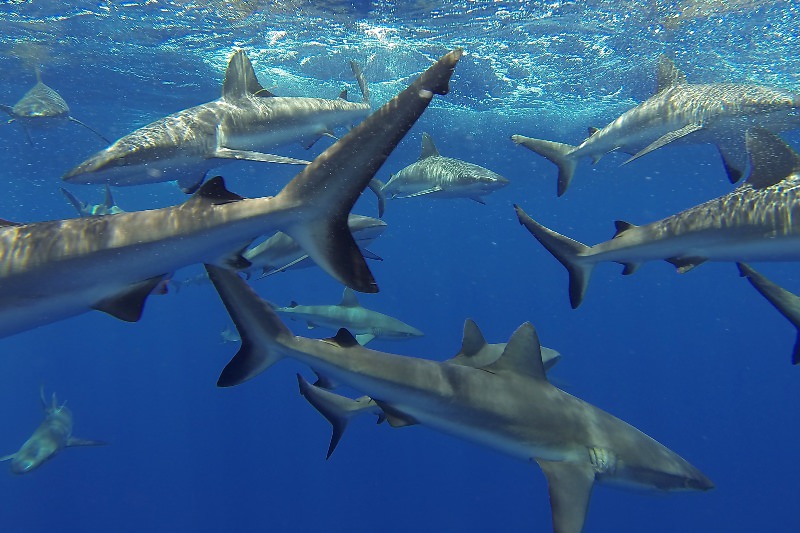
Grey Reef Sharks

How can vessel tracking technology help to create true shark sanctuaries?

Darcy Bradley is a postdoctoral researcher at University of California – Santa Barbara’s Bren School of Environmental Science & Management. Her recent publication in Conservation Letters, Leveraging satellite technology to create true shark sanctuaries, examined how advancements in tracking technology can help us better understand illegal fishing activity and therefore improve fisheries management.  What do you

How can vessel tracking technology help to create true shark sanctuaries? Read More »

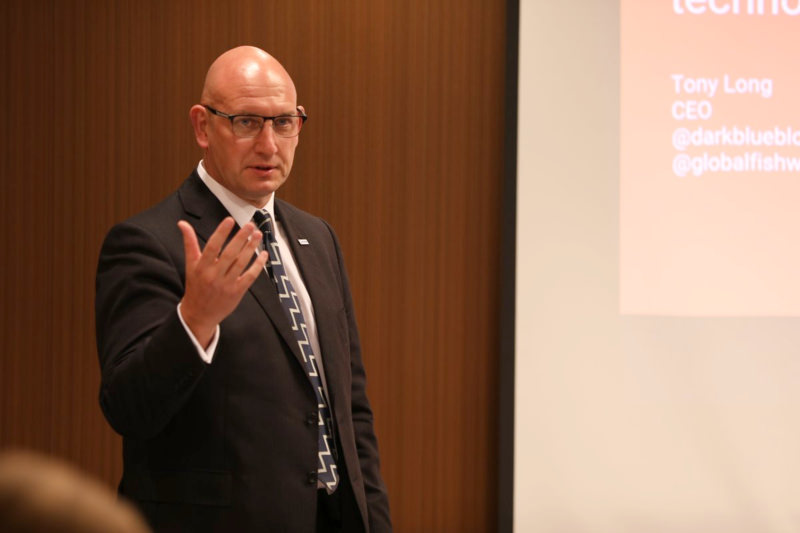
Tony speaking at a roundtable led by women and youth looking at the same issues as the G7 ministers, September 2018.

Canada takes aim at illegal fishing as momentum grows for global ocean action

Last week, G7 Environment, Energy and Oceans Ministers convened in Halifax, on Canada’s rugged Atlantic coast, to tackle some of the most pressing threats facing our planet. The ministers were tasked with advancing climate action, addressing illegal, unreported and unregulated (IUU) fishing and other drivers of overfishing, cutting plastic pollution in our ocean, and accelerating

Canada takes aim at illegal fishing as momentum grows for global ocean action Read More »

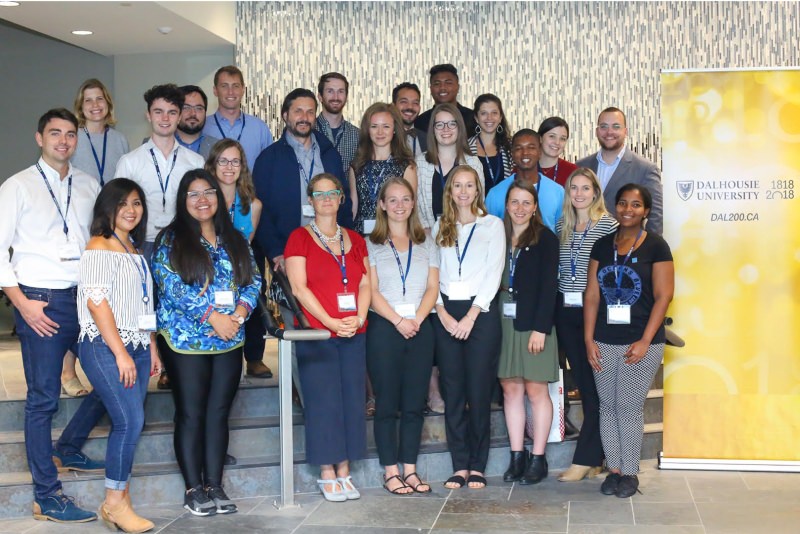
Participants from all over the world (

At the G7, youth call for innovation challenge and labelling standards to address IUU fishing

This post was contributed by Kathryn Pundyk and Angelique Pouponneau. “Globally, 1 in 5 fish is caught illegally, resulting in losses of between USD$10 billion and $23.5 billion every year.” Tony Long, CEO of Global Fishing Watch, used this stark statistic to open the ‘Youth, Women and Oceans’ Roundtable Discussion.  At the current scale of

At the G7, youth call for innovation challenge and labelling standards to address IUU fishing Read More »

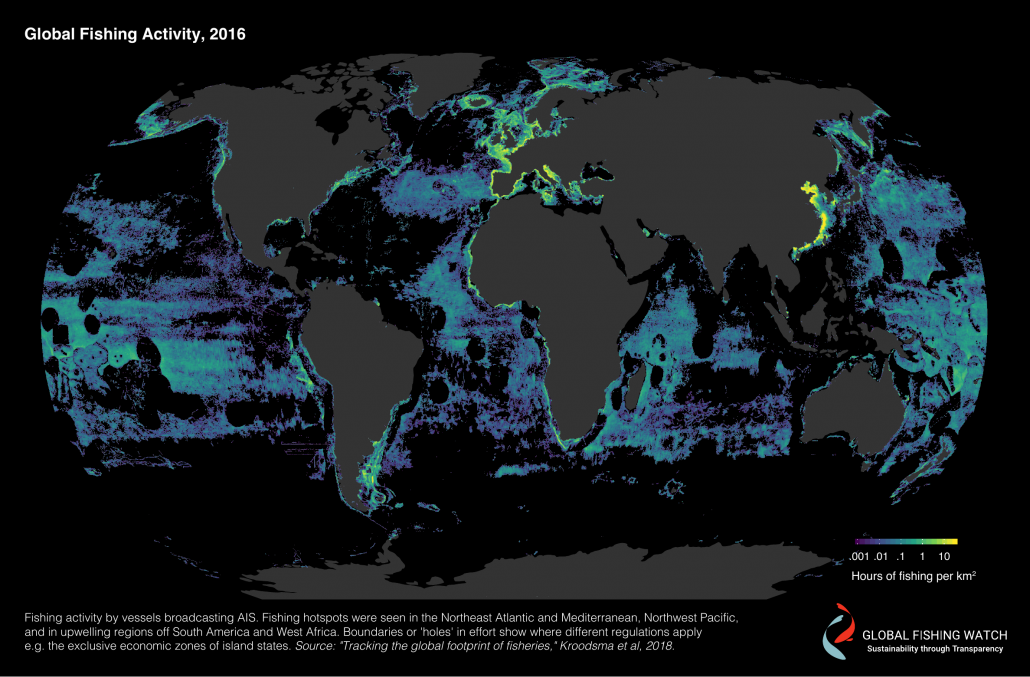
Global Fishing Activity

Half the Ocean? A Response to the University of Washington’s Blog

On the pages of Science Magazine (comment and response), Twitter, the University of Washington’s Sustainable Fisheries blog, and The Atlantic, my co-authors and I have engaged in a healthy debate with University of Washington researchers about how to measure the global footprint of fisheries. This exchange has helped raise awareness of different ways to measure, understand, and

Half the Ocean? A Response to the University of Washington’s Blog Read More »

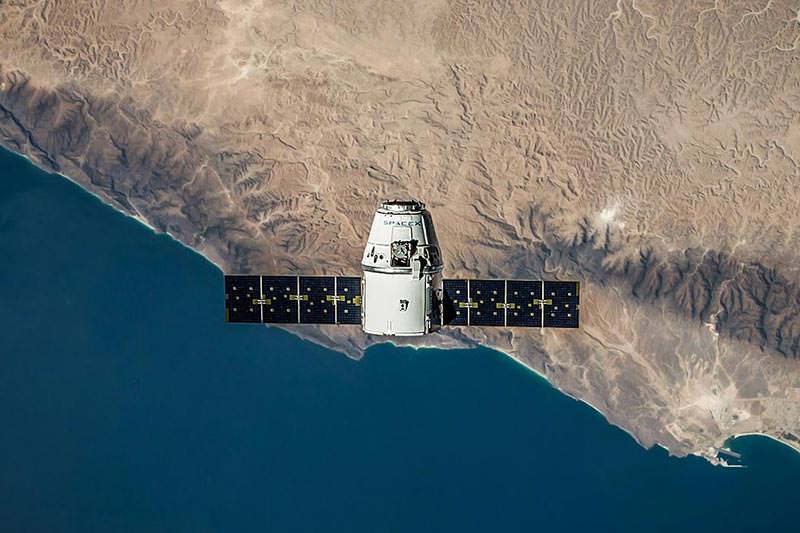
saltelite

Satellite tracking shows the economics of much high seas fishing does not add up

As the countdown continues to September’s historic first round of United Nations treaty talks on the conservation and sustainable use of marine biodiversity  in the high seas, science and technology are shedding increasingly compelling light on what is currently happening in this previously poorly understood realm. The latest in a series of reports focused on

Satellite tracking shows the economics of much high seas fishing does not add up Read More »

buzo

Tackling Unknowns to Advance Ocean Sustainability

Furthering innovation and collaboration is at the heart of Global Fishing Watch’s mission to advance responsible stewardship of our oceans through increased transparency. Our Research Partners program, an interdisciplinary collaboration with some of the world’s leading marine science institutes, strives to improve fisheries management and science via new research and data sharing through our public

Tackling Unknowns to Advance Ocean Sustainability Read More »

Part II: How Ocean Science And Technology Can Address IUU Fishing And Secure National, Economic, and Food Security Worldwide

Jonathan White is a retired Rear Admiral for the United States Navy and the President and CEO of the Consortium for Ocean Leadership. Last week, in this blog, he discussed how illegal, unreported, and unregulated (IUU) fishing threatens national, economic, and food security around the globe.

Part II: How Ocean Science And Technology Can Address IUU Fishing And Secure National, Economic, and Food Security Worldwide Read More »

Part I: Illegal Fishing – A Threat to National, Economic, and Food Security Worldwide

Jonathan White is a retired Rear Admiral for the United States Navy and the President and CEO of the Consortium for Ocean Leadership. Out of sight – out of mind. If you don’t see the ocean outside your window every day, it’s easy to forget how much we depend on it – from the oxygen

Part I: Illegal Fishing – A Threat to National, Economic, and Food Security Worldwide Read More »

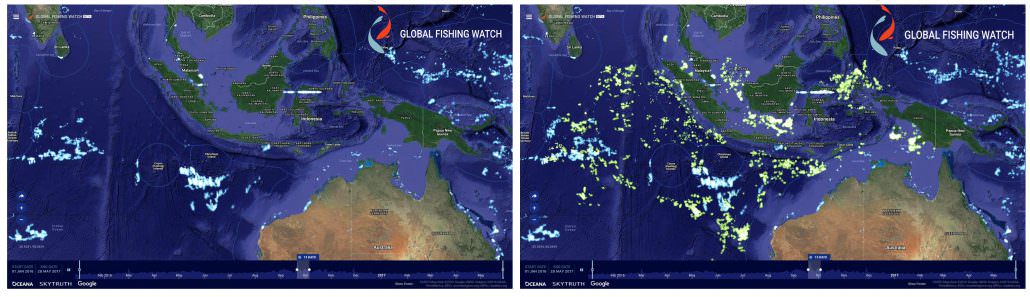
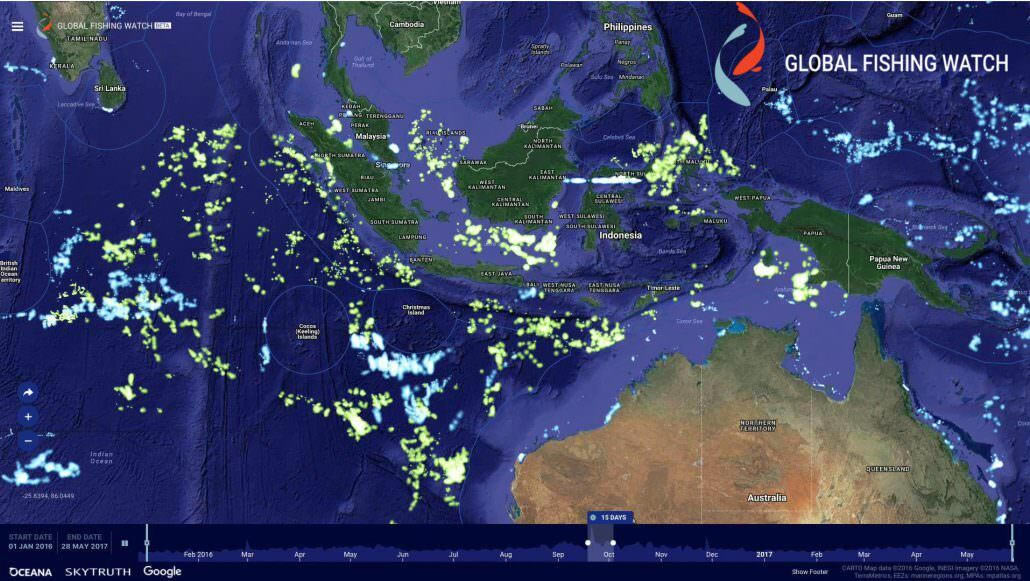
Global Fishing Watch uses publicly broadcast AIS signals to track fishing vessels. On the Global Fishing Watch heat map, every lighted point represents a fishing vessel. The blue points are vessels detected through AIS, the green points represent nearly 5,000 additional vessels revealed through Indonesia’s Vessel Monitoring System data.

Year One Opened a New Era of Transparency in Commercial Fishing – What’s Next?

When Global Fishing Watch launched last year, we opened a new era of transparency in commercial fishing. For the first time, an interactive platform for tracking the location and behavior of the largest commercial fishing vessels – and the data that drives it – was made available for free to organizations and individuals to accelerate

Year One Opened a New Era of Transparency in Commercial Fishing – What’s Next? Read More »

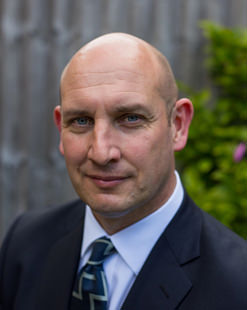
A Word From Tony Long, Global Fishing Watch’s New CEO

In early June of this year, at the first United Nations Ocean Conference, something unprecedented happened in the fight against illegal, unreported and unregulated (IUU) fishing. Convinced by the Global Fishing Watch vision of increasing transparency on the world’s oceans, the government of Indonesia turned its proprietary vessel monitoring system (VMS) data over for publication

A Word From Tony Long, Global Fishing Watch’s New CEO Read More »

Scroll to Top

Help us improve the site

Take a quick website survey to help us build a better experience for visitors like you.