science

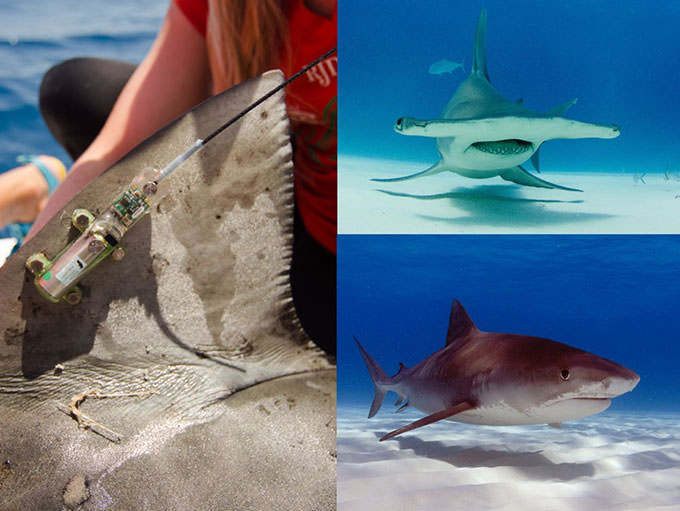
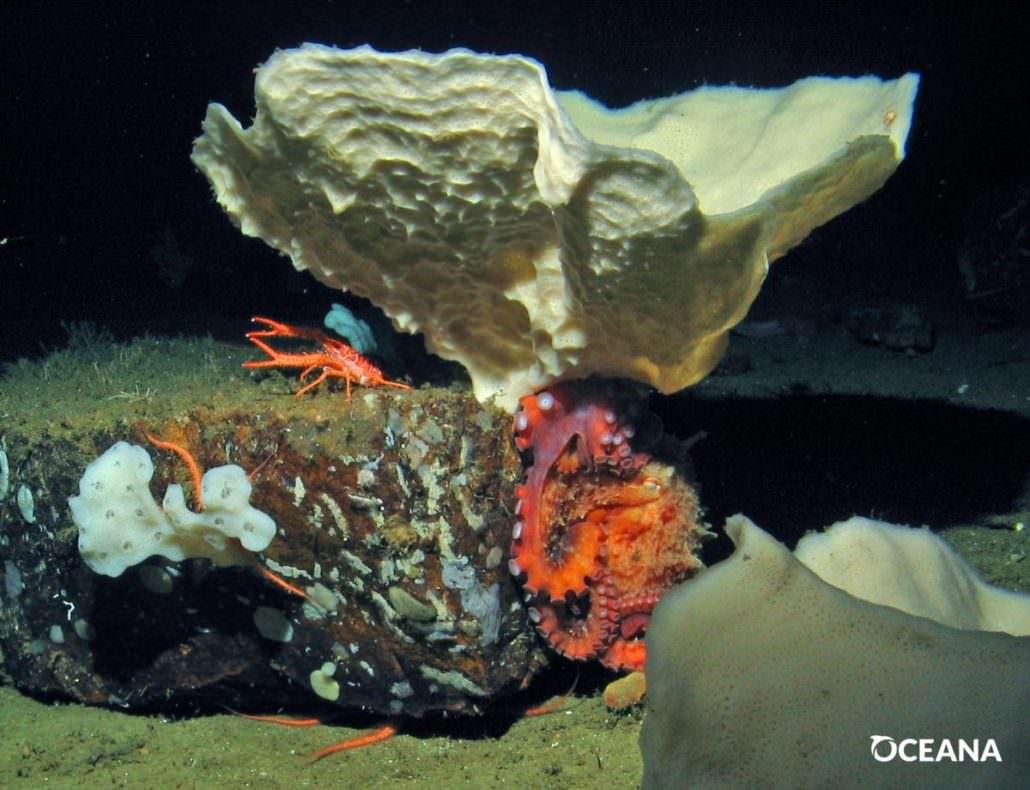
Tracking fishing vessels and sharks reveals protection for large mobile animals

New research published in the journal Biological Conservation sheds light on the contentious debate surrounding large Marine Protected Areas (MPAs) that restrict or prohibit fishing and other activities. By combining established shark tracking methods with the publicly available Global Fishing Watch platform that allows anyone to track fishing activity anywhere in the world, scientists have demonstrated that

Tracking fishing vessels and sharks reveals protection for large mobile animals Read More »

Hirshfield Brightened

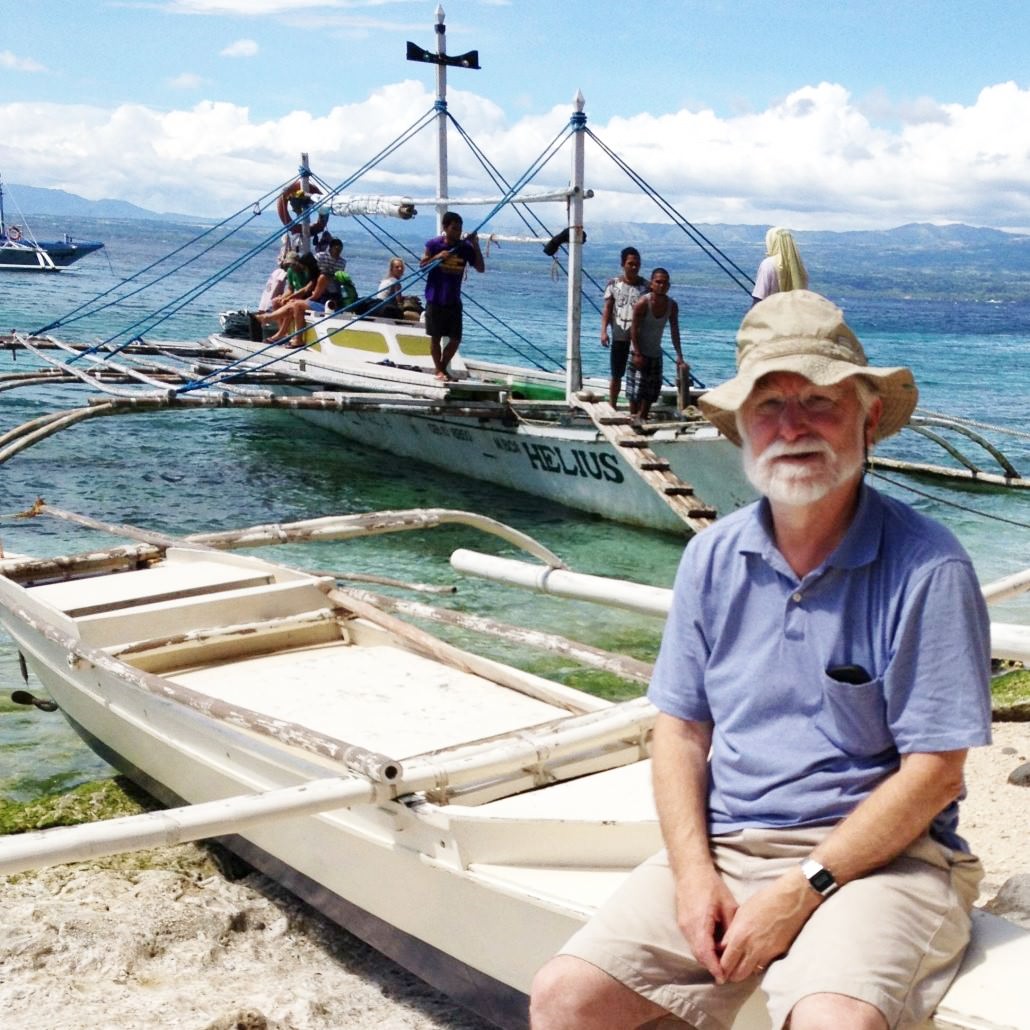
Interview with Michael Hirshfield: Chief Scientist and Strategy Officer, Oceana

Dr. Michael Hirshfield oversees Oceana’s new offices in the Philippines, Canada and Brazil, and ensures that Oceana’s policy advocacy is solidly based on the latest scientific information. Throughout his long career, Dr. Hirshfield has worked on issues related to fisheries and aquatic ecosystems from a variety of viewpoints.

Interview with Michael Hirshfield: Chief Scientist and Strategy Officer, Oceana Read More »

Costello in SCUBA

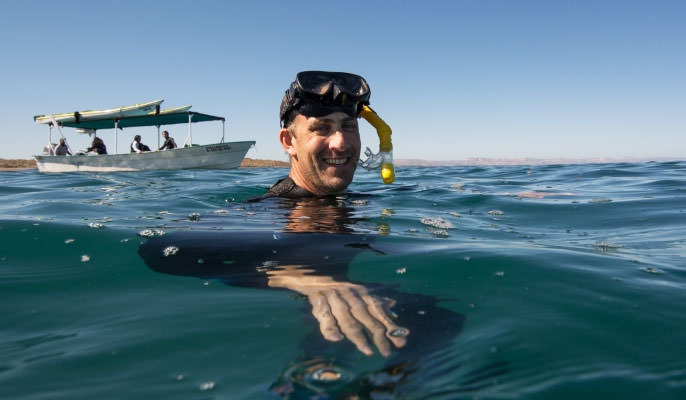
Interview with Chris Costello: Environmental Economist

A 2016 recipient of the prestigious Peter Benchley Ocean Award, Dr. Christopher Costello is a professor of Environmental and Resource Economics at the Bren School of Environmental Science & Management, UC Santa Barbara. His work focuses on natural resource management, and in particular, the issues surrounding resources that cannot be claimed by an individual or

Interview with Chris Costello: Environmental Economist Read More »

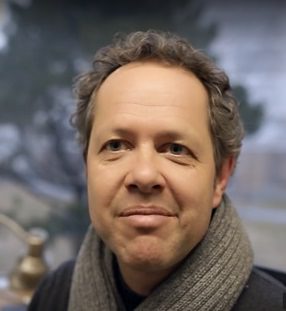
Longline anchors arranged on deck

Scientists develop precise methods to identify and measure three very different types of fishing activity

On dry land, ecologists and conservationists can map our human footprints on the landscape. We can see deforestation, mountaintop removal, river damming and development, and it is relatively easy to recognize our impacts on an ecosystem and the plants and animals that live there. In the ocean, our impacts are less tangible. Water covers more

Scientists develop precise methods to identify and measure three very different types of fishing activity Read More »

Scroll to Top

Help us improve the site

Take a quick website survey to help us build a better experience for visitors like you.