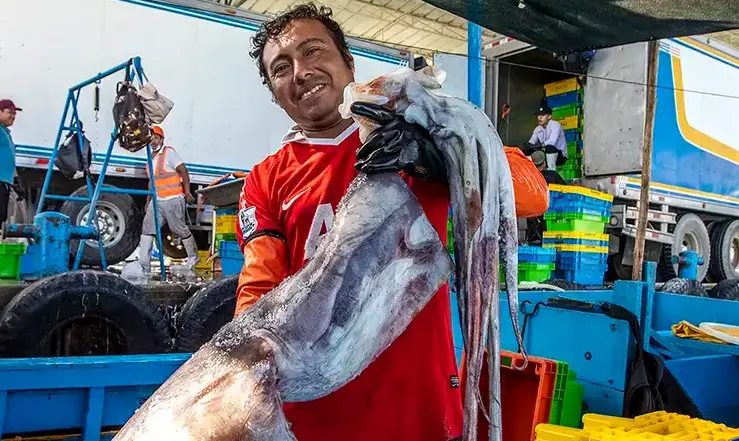
Analysis of Squid Fleet Helps Protect Waters off the Galapagos Islands
Effective monitoring of Southeast Pacific squid fishery can help safeguard biodiversity
Analysis of Squid Fleet Helps Protect Waters off the Galapagos Islands Read More »

Effective monitoring of Southeast Pacific squid fishery can help safeguard biodiversity
Analysis of Squid Fleet Helps Protect Waters off the Galapagos Islands Read More »

Global Fishing Watch supports fisheries patrol to track illegal fishing in the Gulf of Guinea.
Analysis Helps Ghanaian Navy Crack Down on Illegal Fishing Read More »
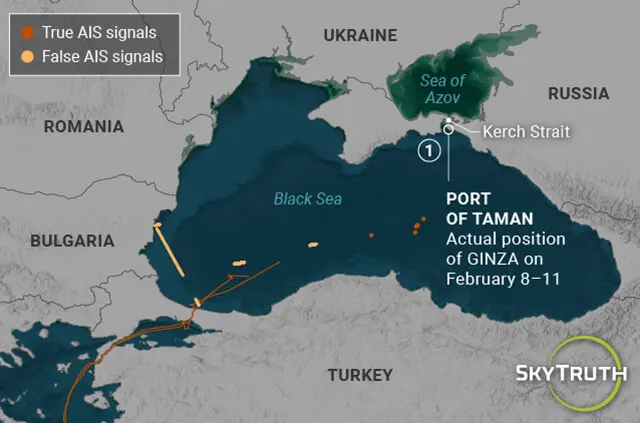
This article was originally published by SkyTruth on May 31, 2023.
Tankers Falsify AIS Tracking Positions to Hide Entry into Russian Black Sea Ports Read More »
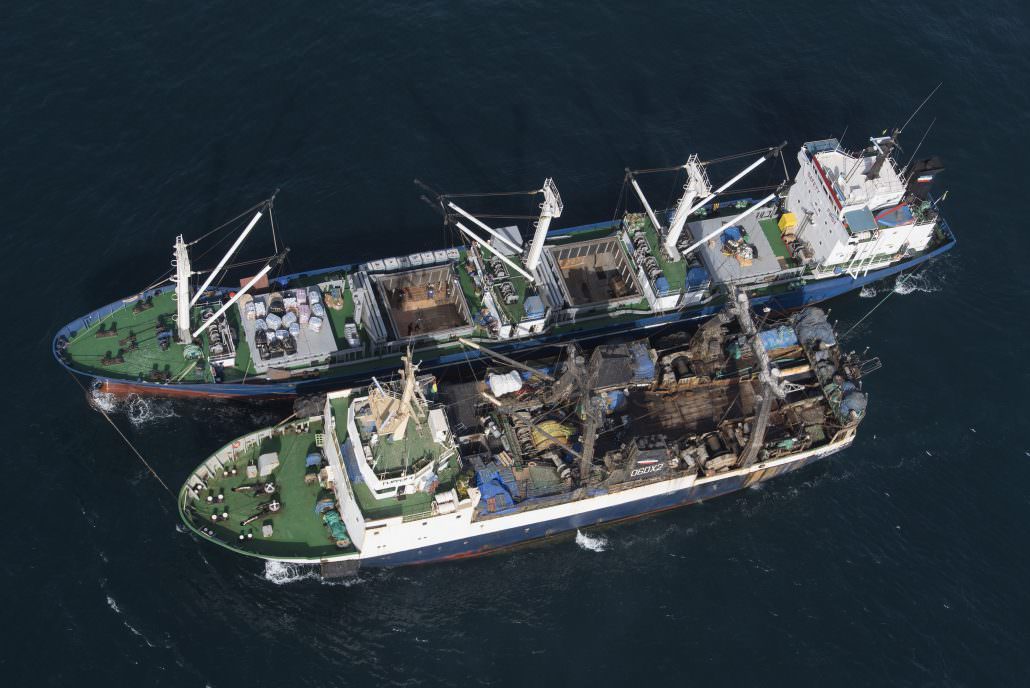
Satellite technology helps shine a light on one of the most hidden and remote practices across the the global fishing industry
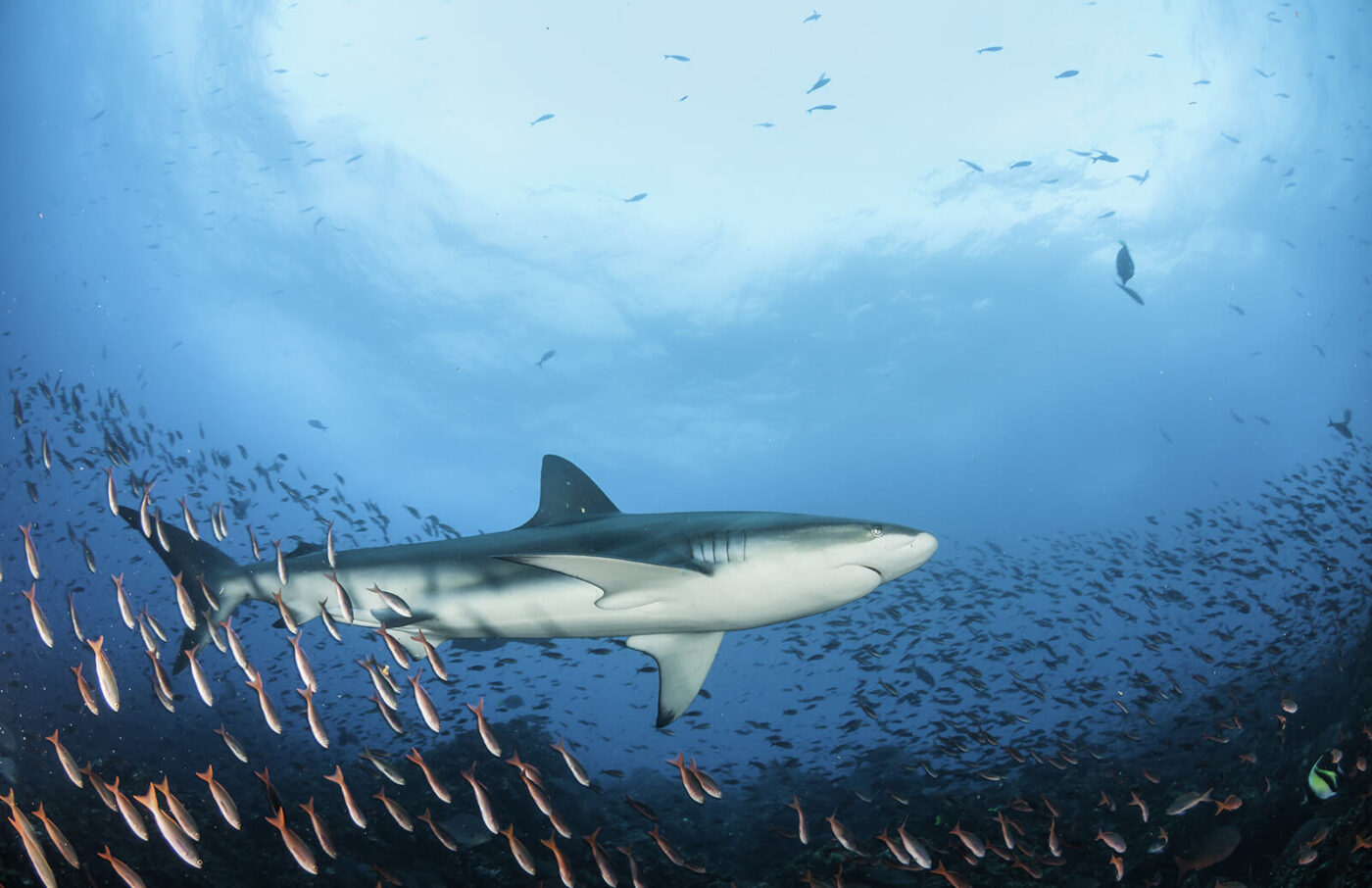
When a Chinese cargo vessel was caught illegally carrying sharks in the Galapagos, Global Fishing Watch helped ensure the operators were prosecuted, leading to a $5.9 million fine and jail sentences.
Data and Analysis Help Track Illegal Shark Fishing Read More »
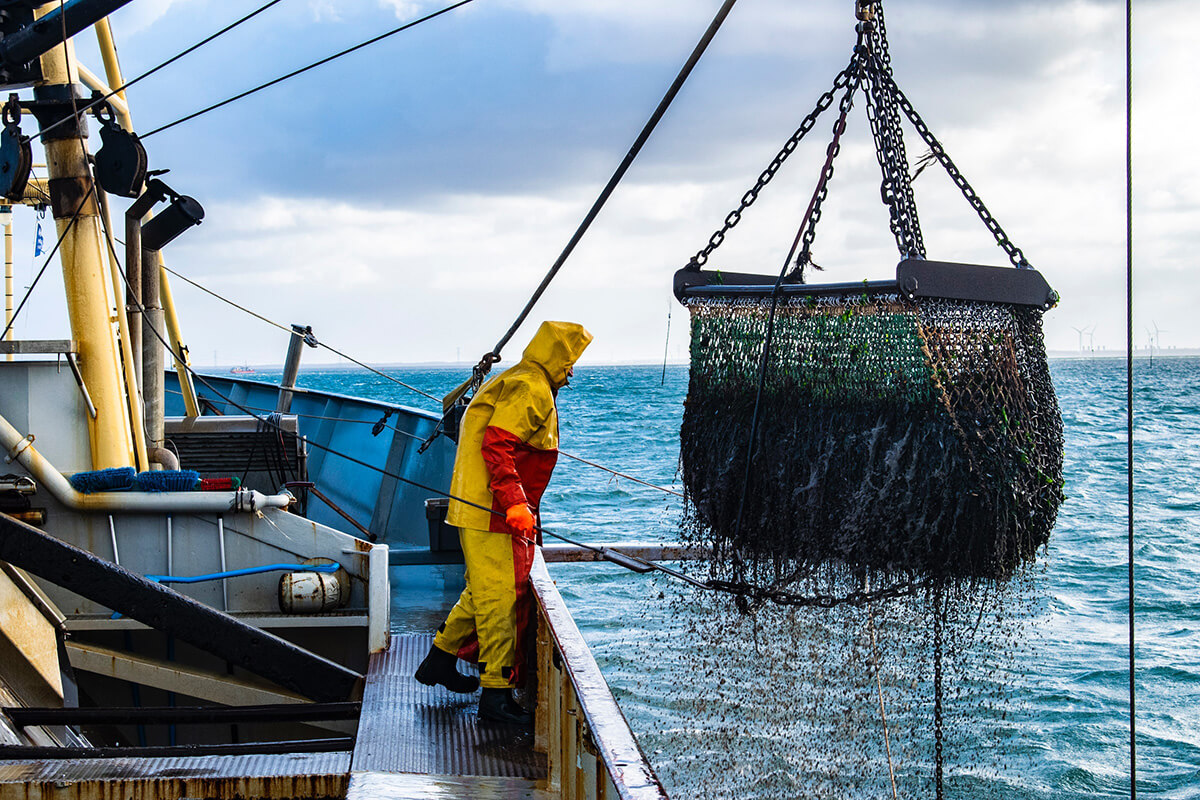
Collaborative initiative boosts access to fisheries intelligence and data analysis to promote international collaboration and inform enforcement responses
Joint Analytical Cell Helps Combat Illegal Fishing and Enhance Fisheries Management Read More »

Global Fishing Watch and Panama co-host transparency workshop ahead of Our Ocean Conference, bringing together over 80 thought leaders from around the globe to discuss challenges of transparency in ocean governance
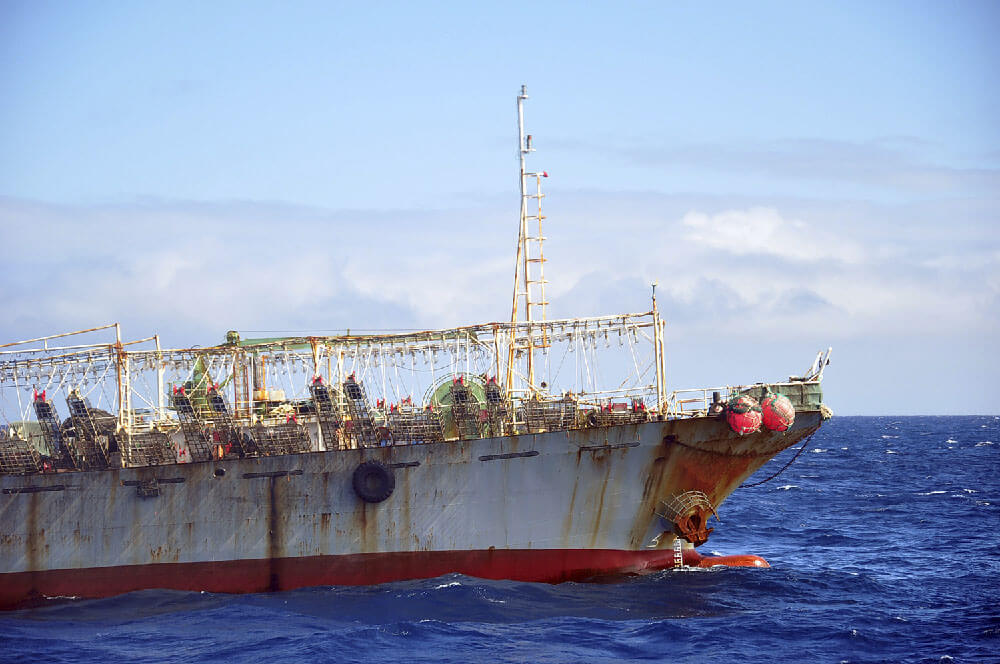
While illegal, unreported, and unregulated fishing has been recognized as a global problem that threatens ocean ecosystems, sustainable fisheries and economic security, unregulated activity has received less attention.
Data advances understanding of global squid fishing fleets Read More »
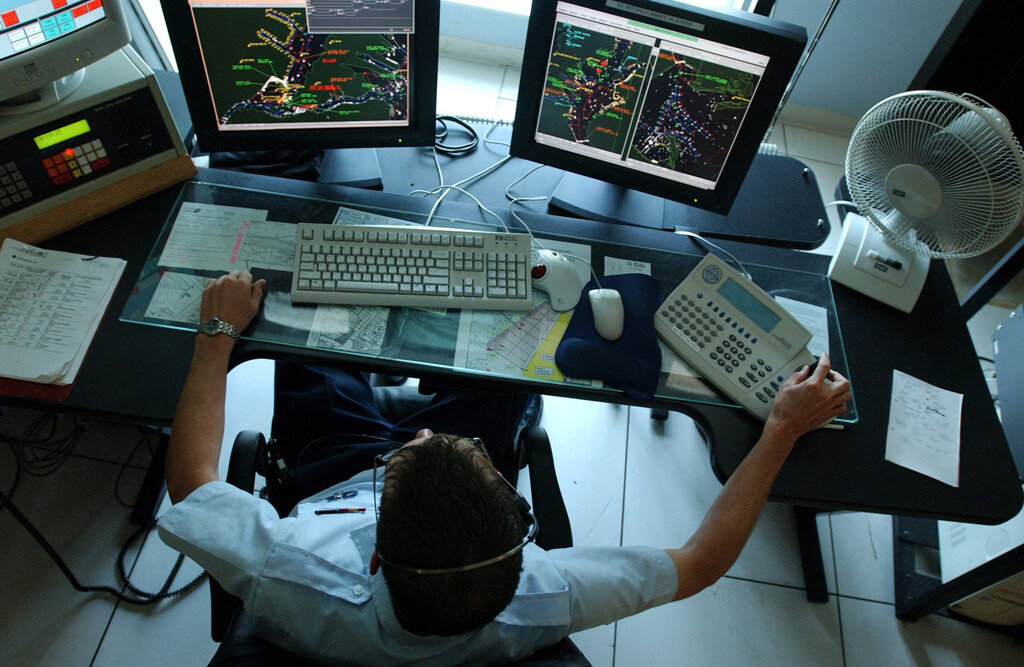
Operation North Pacific Guard: How Data and Analytics Helped the U.S. Coast Guard Crack Down on Illegal Fishing By providing intelligence on suspicious behavior, Global Fishing Watch helped authorities run more effective patrols © USCG / AIS US The Issue The northwest Pacific Ocean contains some of the most productive fishing grounds in the world,
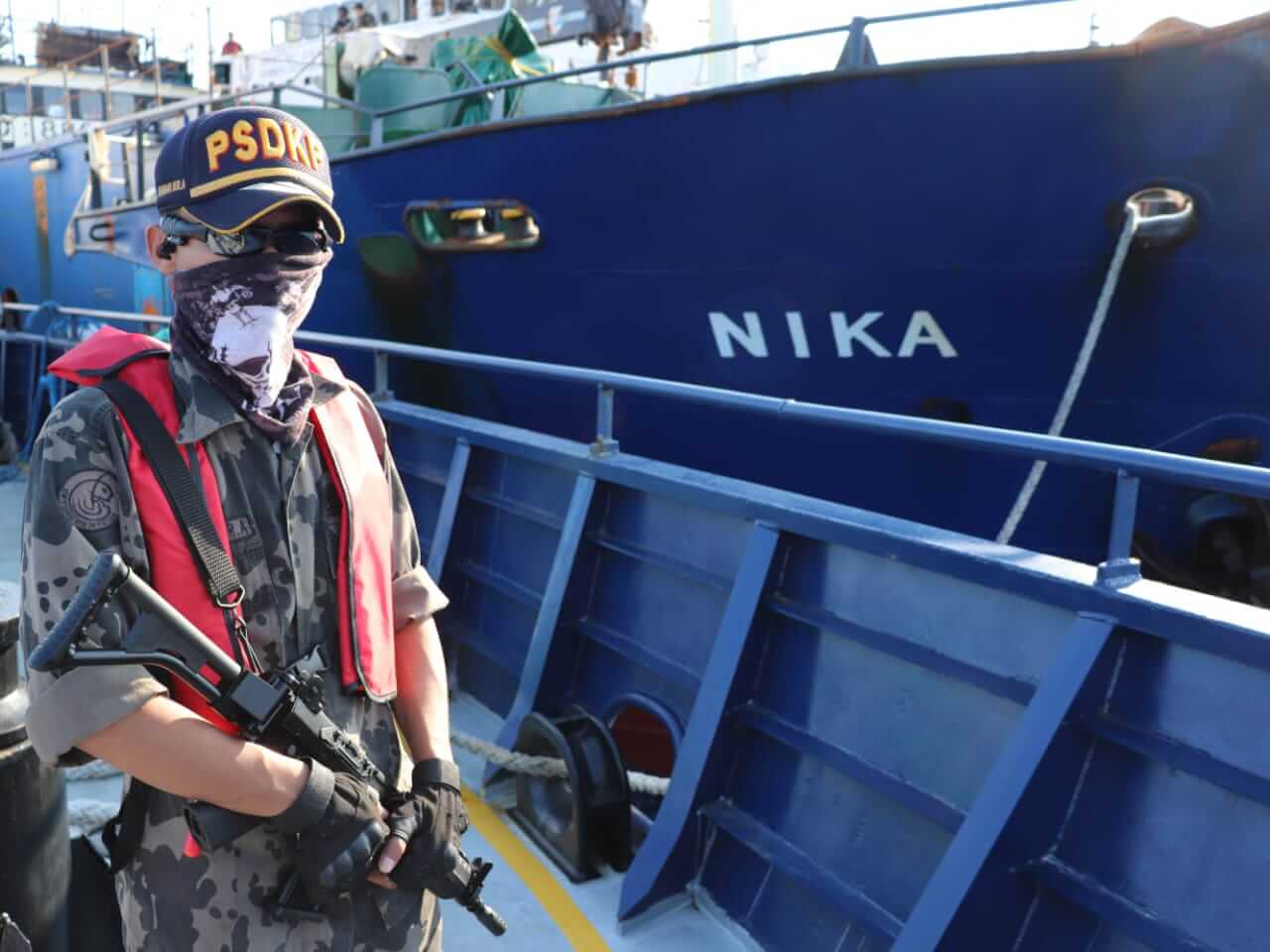
Working with INTERPOL and authorities from Indonesia and Panama, Global Fishing Watch played a vital role in the capture of a notorious fishing vessel
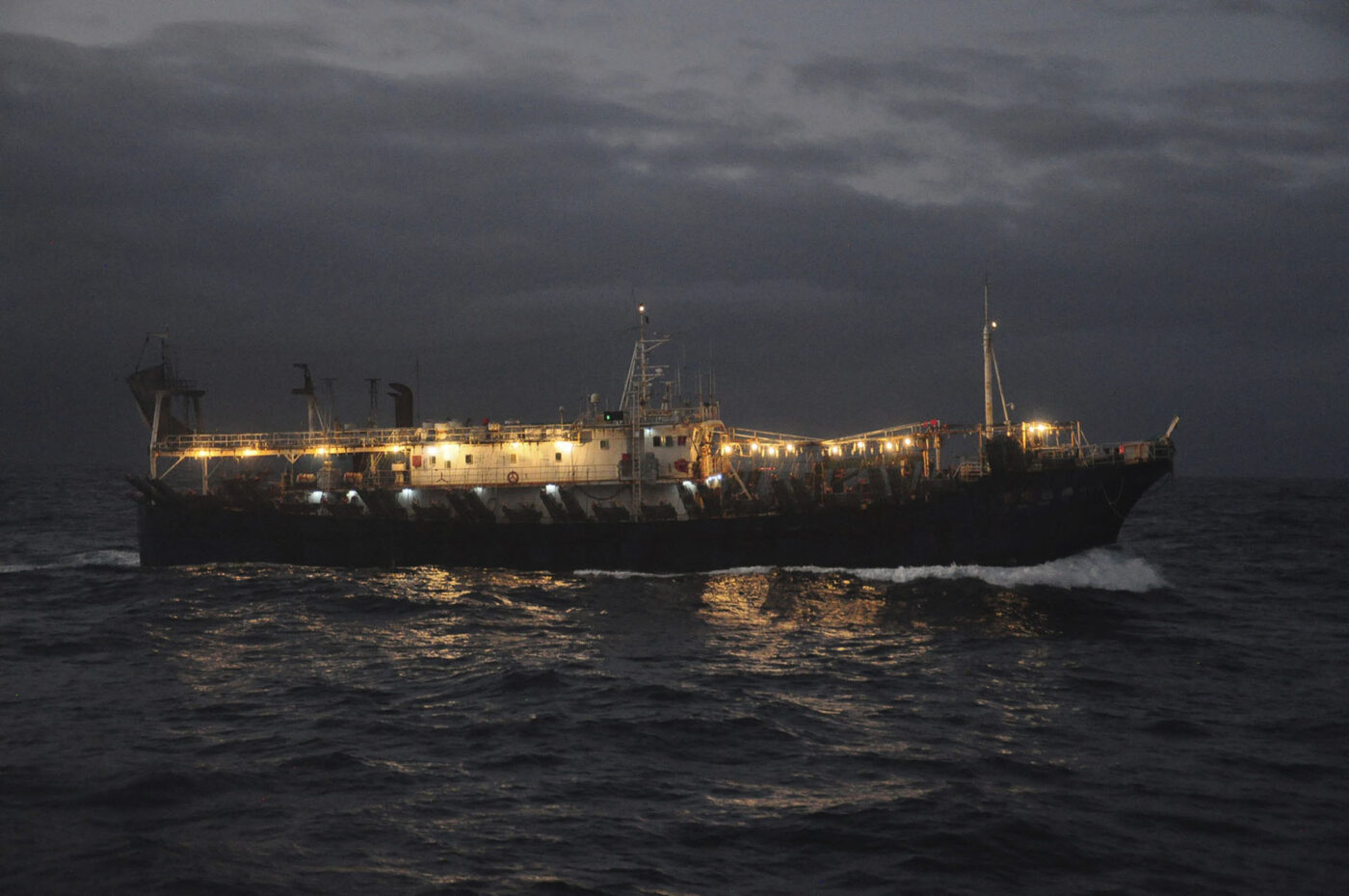
Highly mobile fisheries present more possibilities for data-driven approach to inform regulation.
Rise in Unregulated Squid Fishing Poses Challenges—and An Opportunity Read More »
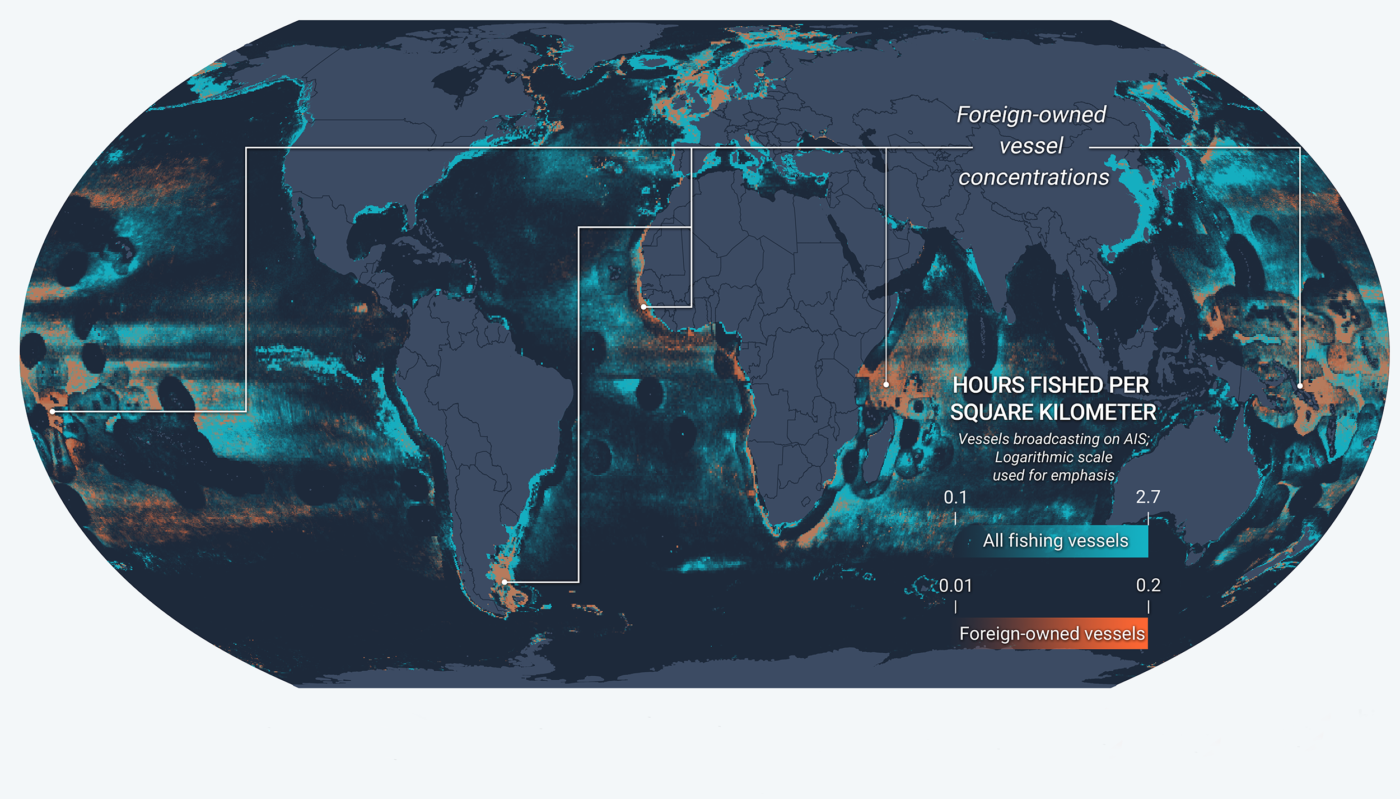
Novel research provides new tool to improve global fisheries oversight Illegal, unreported and unregulated (IUU) fishing accounts for up to $23.5 billion every year and is enabled by vessels frequently changing their name, flag State or owner. New research , led by Global Fishing Watch and published in Science Advances , uses big data processing and a compilation of global datasets to track
New Fusion of Global Datasets Advances Understanding of Vessel Identity and Activity Read More »
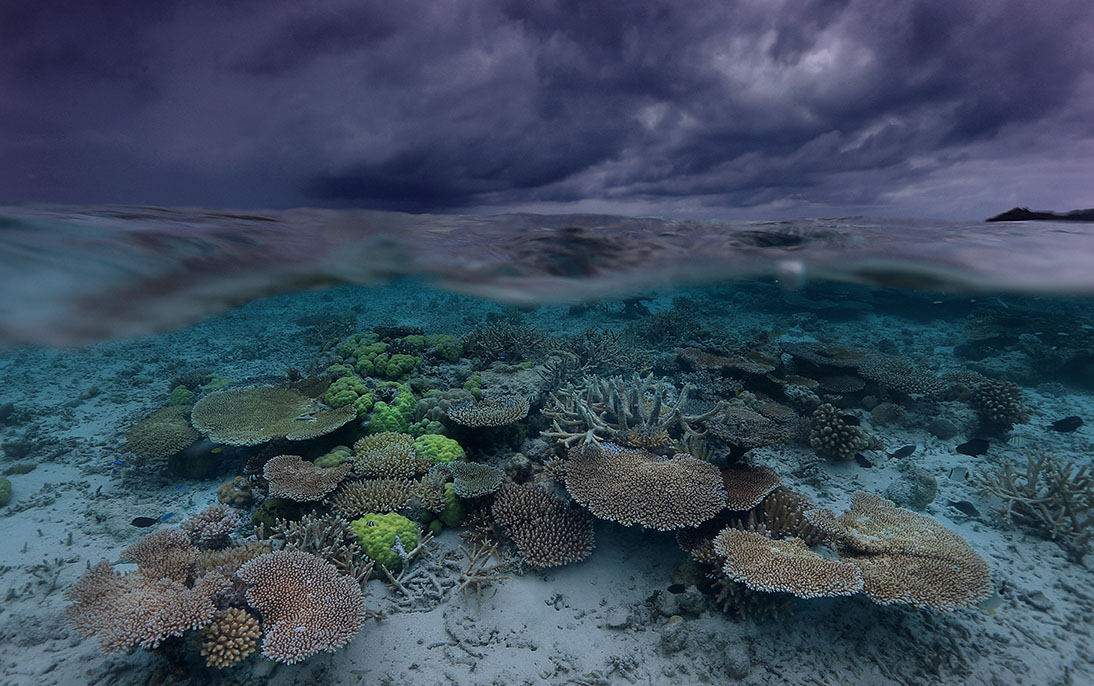
A wave of ocean action shows opportunities for greater transparency toward marine governance Tony Long, CEO, Global Fishing Watch 2022 dawned with even more uncertainty than most years. With COVID-19 lingering, it was unclear if the ocean conservation and fisheries management communities could hold the international meetings necessary to kick start work that had stalled
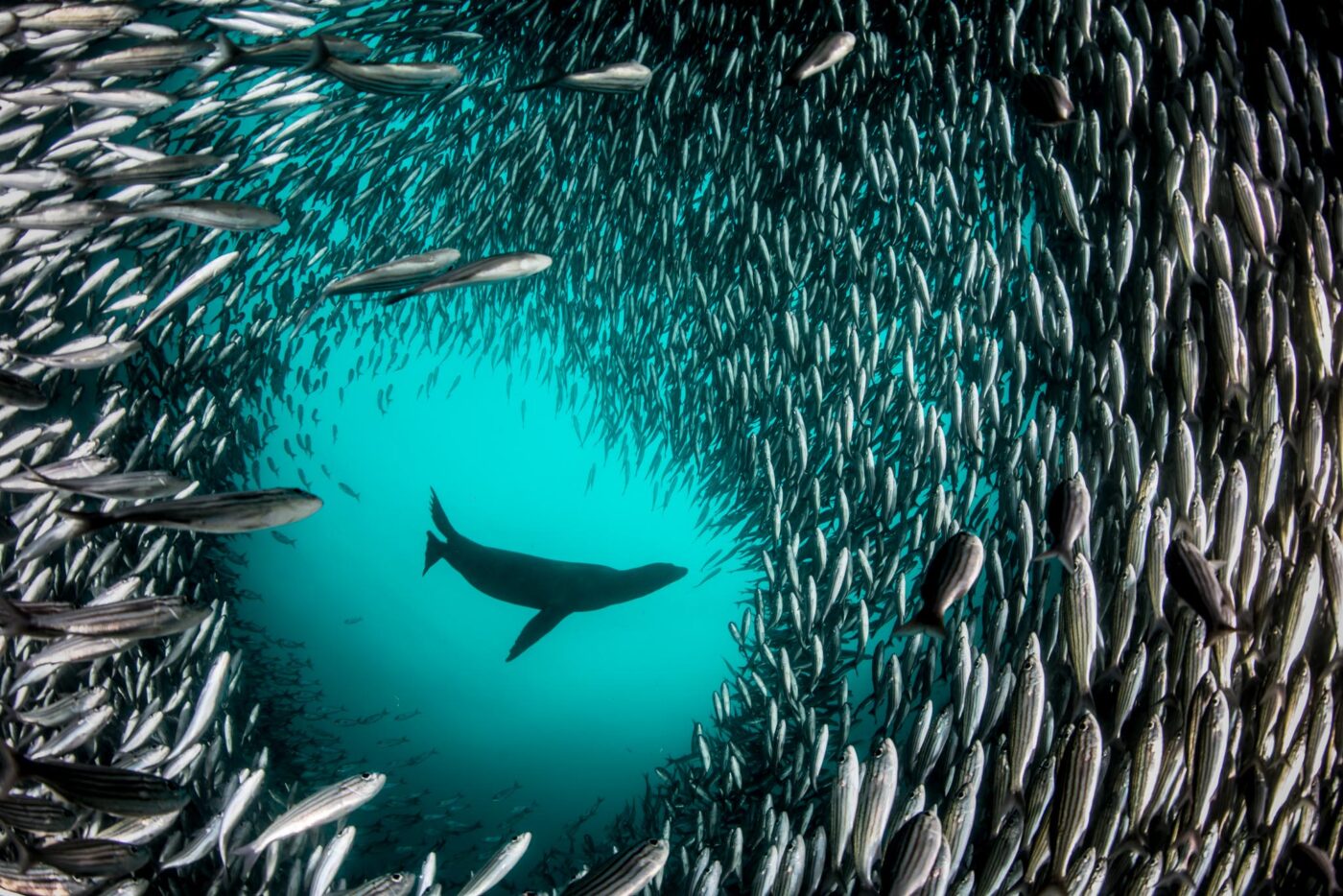
Latest release of online tool will help more people monitor and manage greater expanses of the seas A screenshot taken from the portal shows the overlay of different datasets: sea surface temperature and salinity, along with fishing activity. © Global Fishing Watch In our brief but exciting history working to shed greater visibility on what’s
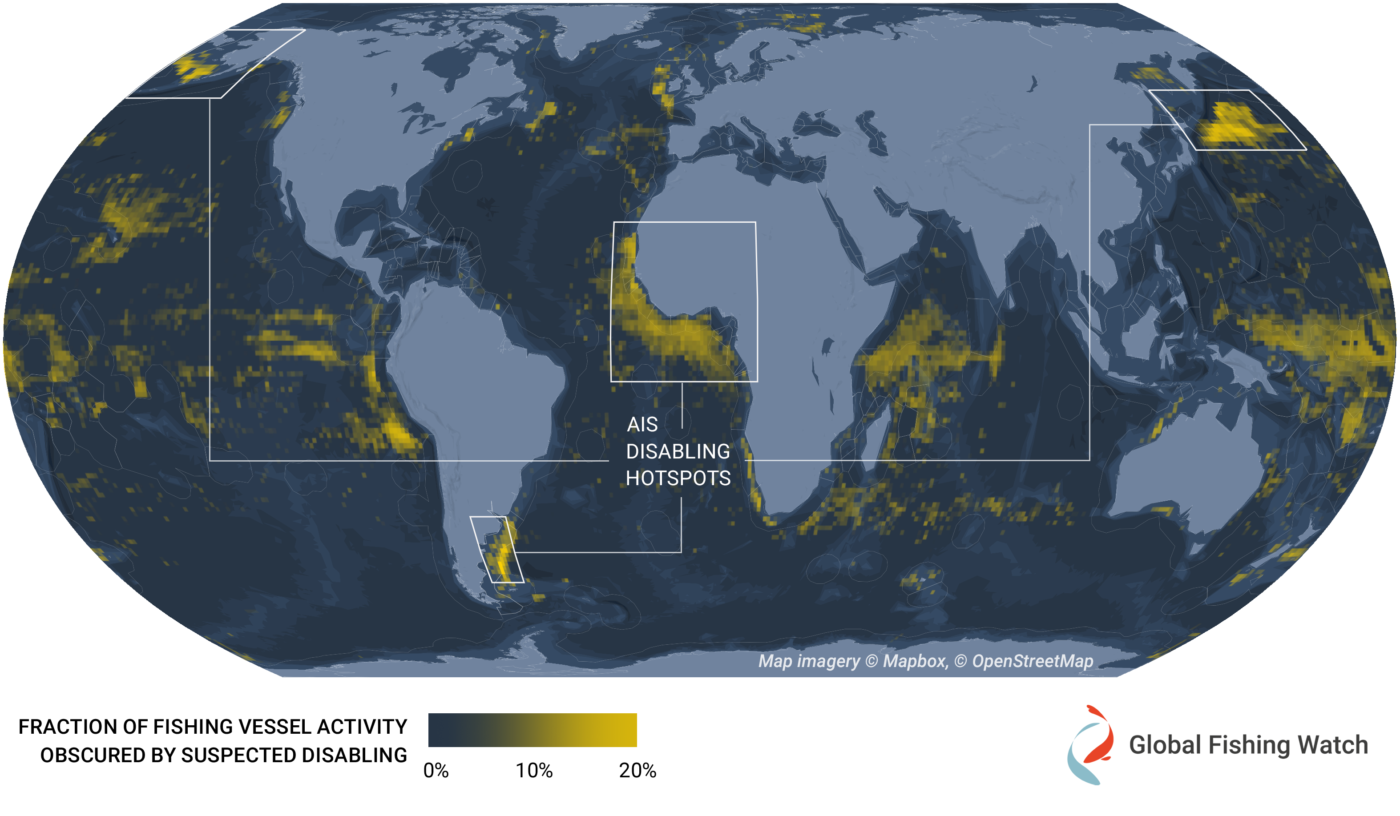
New research displays intentional disabling of automatic identification system devices to provide insights into illegal, unreported and unregulated fishing activity A new analysis harnesses automatic identification system, or AIS, data to provide information about global fishing activity, including illegal, unreported and unregulated fishing. Originally designed as a collision avoidance tool, AIS can be intentionally disabled—sometimes