technology

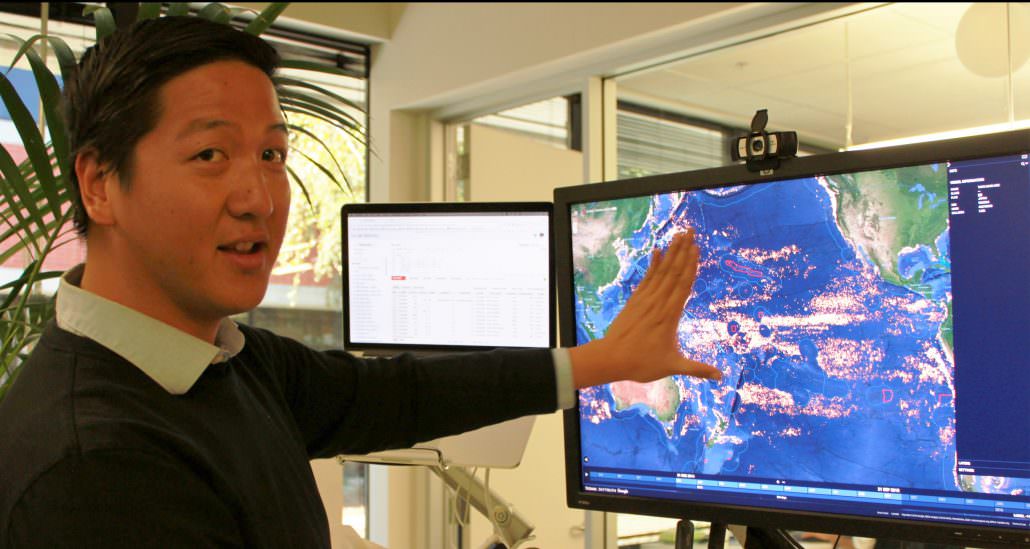
Aaron Roan demonstrates features of the Global Fishing Watch map

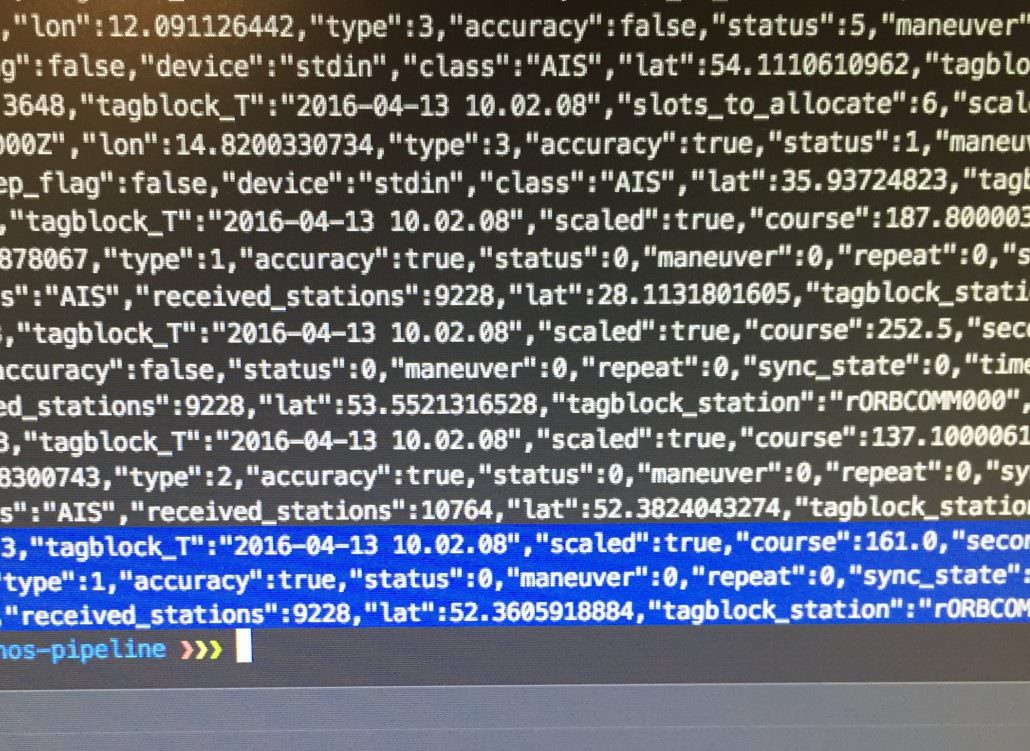
Exploring a New World of Data with Team Member Aaron Roan

If you’ve grown accustomed to the idea that everything in our world is traceable—from airplanes to cell phones to personal browsing history and purchasing habits—it may seem like a no-brainer that we can use publicly broadcast Automatic Identification System (AIS) signals from ships at sea to find out where they are and what they’re doing. But in

Exploring a New World of Data with Team Member Aaron Roan Read More »
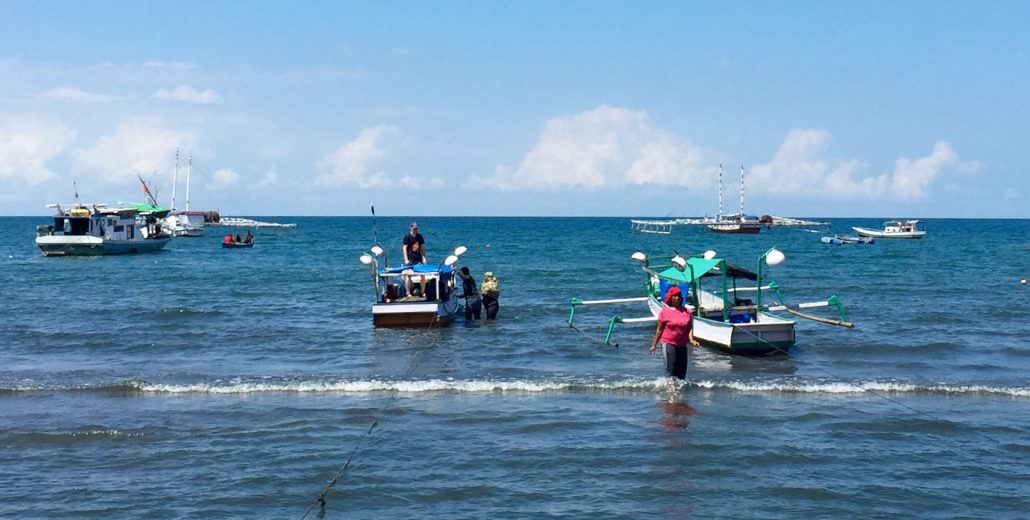
Traditional fishing vessels in Indonesia

New Partnership Expands Our View to Artisanal Fisheries

Today, Global Fishing Watch is focused on tracking commercial-scale fishing fleets, because they are the ones required to carry Automatic Identification Systems that broadcast their information to satellites. But small, artisanal fishing vessels represent another side of the picture that can’t be ignored. Although they often employ low-tech, traditional fishing methods (especially in developing countries), small-boat subsistence fishers

New Partnership Expands Our View to Artisanal Fisheries Read More »

Kerry Demo with Paul and Brian GFW

We’ve Launched!

Last Thursday, we kicked off the public launch of Global Fishing Watch with an announcement by actor and ocean advocate Leonardo DiCaprio at the Our Ocean Conference in Washington, DC. After the announcement, organizer and host Secretary of State John Kerry stopped by our demonstration in the conference hall to speak with the team and

We’ve Launched! Read More »

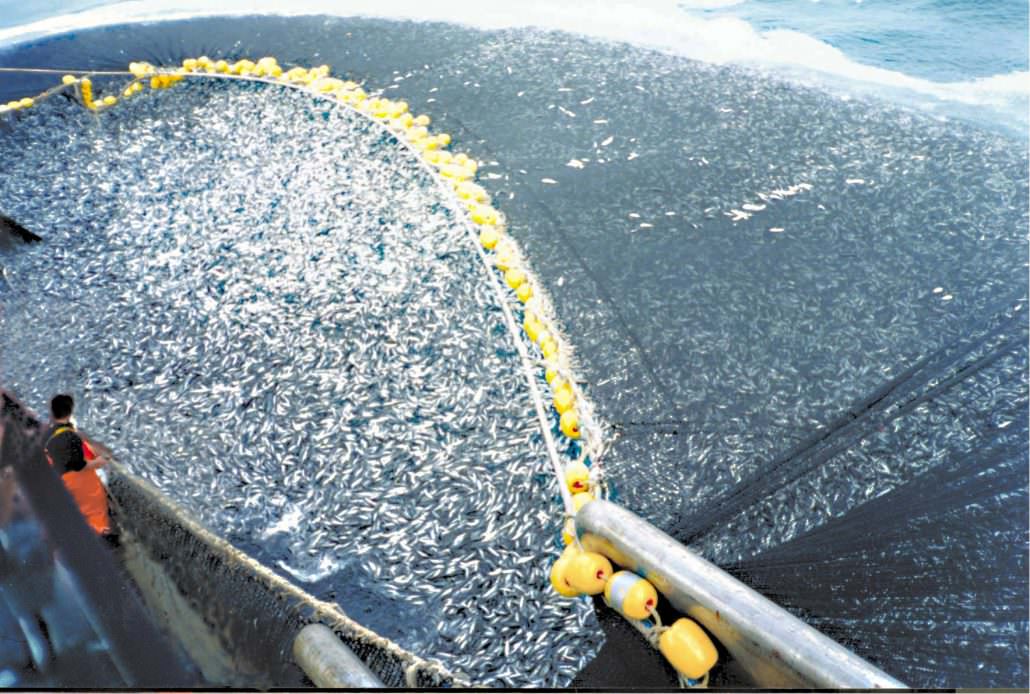
A school of about 400 tons of jack mackerel encircled by a Chilean purse seiner

How Much Fish Can A Fisherman Fish? (and how we’re trying to find out)

To help researchers better understand how much fish is being taken from the ocean, we’re developing ways to use our data for estimating the total potential catch of the global fishing fleet. It’s a big and a complex question to answer, partly because the source of our information, AIS, is limited. It doesn’t tell us

How Much Fish Can A Fisherman Fish? (and how we’re trying to find out) Read More »

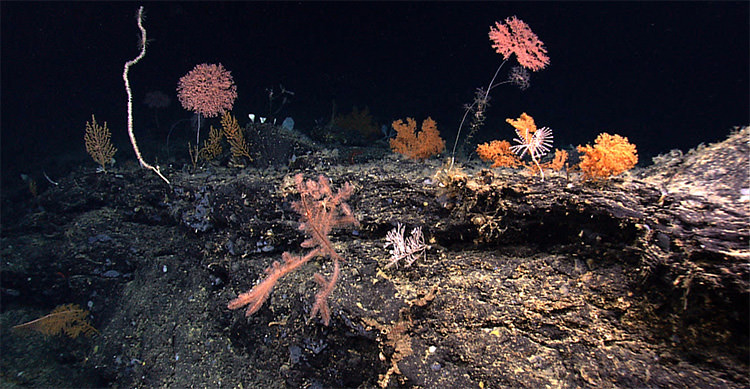
Deep water seamounts are rich with diversity

Video Expedition Hopes to Capture and Protect Deep Sea Diversity off Southern California

Once considered to be a cold, dark desert nearly devoid of life, the deep sea is now known to support more species of marine life than the shallow reefs of the tropics. A menagerie of corals, sponges and undiscovered creatures—some of them previously unimaginable, others known only from the fossil record, lies hidden in near complete darkness

Video Expedition Hopes to Capture and Protect Deep Sea Diversity off Southern California Read More »

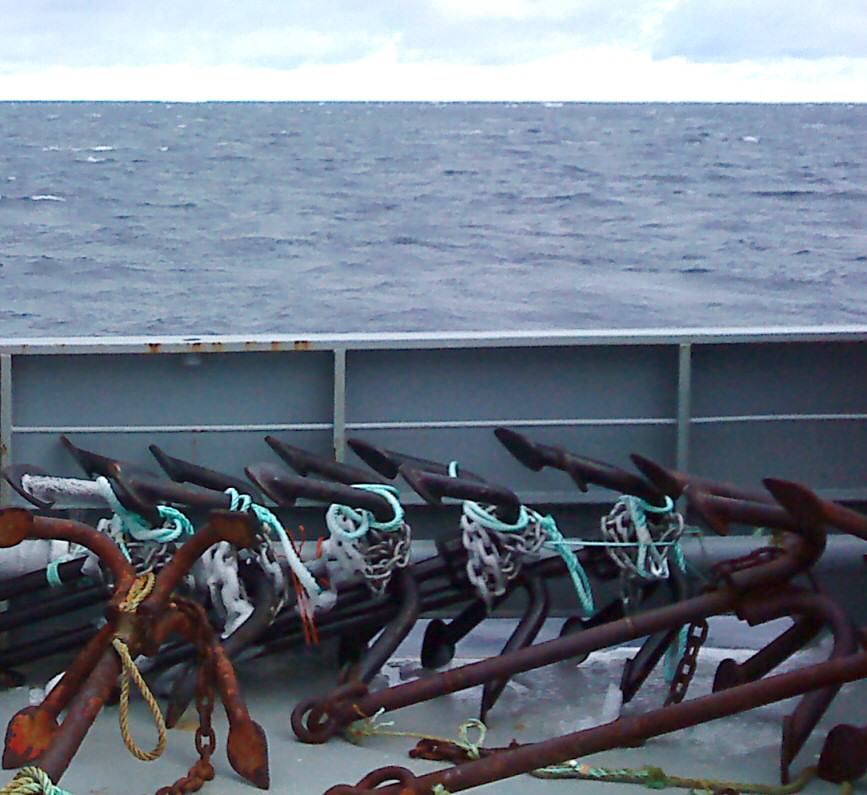
Longline anchors arranged on deck

Scientists develop precise methods to identify and measure three very different types of fishing activity

On dry land, ecologists and conservationists can map our human footprints on the landscape. We can see deforestation, mountaintop removal, river damming and development, and it is relatively easy to recognize our impacts on an ecosystem and the plants and animals that live there. In the ocean, our impacts are less tangible. Water covers more

Scientists develop precise methods to identify and measure three very different types of fishing activity Read More »

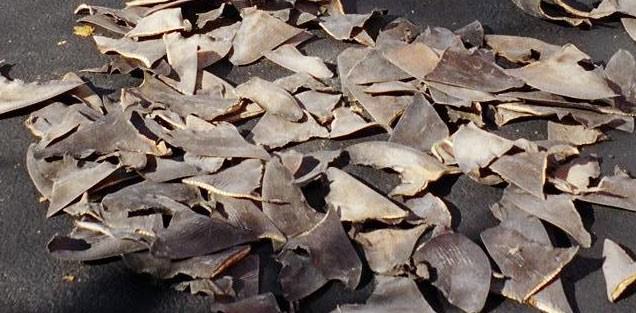
Shark Fins from an illegal capture

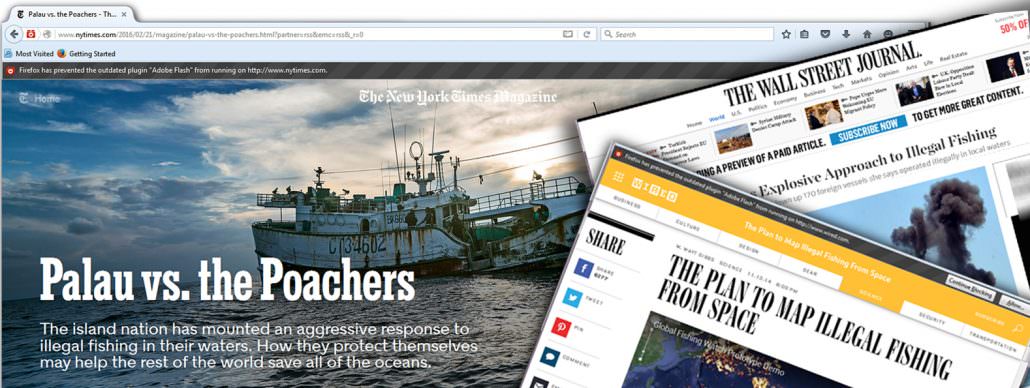
Right on Target, Satellite Monitoring Guided a Police Chase on the Open Ocean

The sheer size of the ocean poses one of the biggest challenges to curbing illegal fishing, especially for a tiny island nation like Palau whose territorial waters encompass a swath of ocean nearly the size of Texas. With just three vessels comprising the government’s patrol fleet, there has been little hope of defending Palauan waters

Right on Target, Satellite Monitoring Guided a Police Chase on the Open Ocean Read More »

Scroll to Top

Help us improve the site

Take a quick website survey to help us build a better experience for visitors like you.